


Hello, Farmer Friends! 🌱
Soil testing is very important for successful farming and the proper growth of crops. Soil testing provides information about the nutrients available in the soil, its pH level, and salinity status. Based on these results, fertilizers can be applied appropriately according to the crop’s requirements.
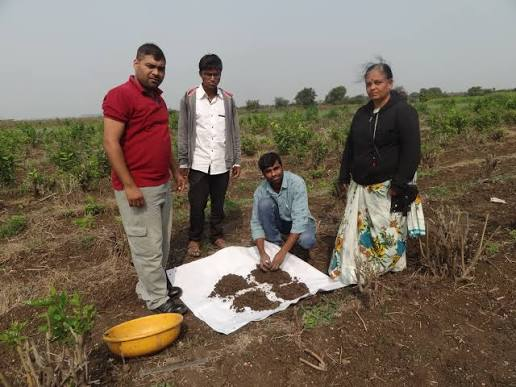
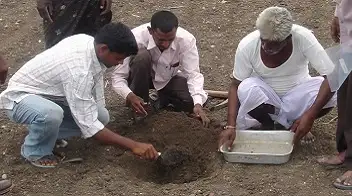
5 Key Benefits of Soil Testing
1. Understand Soil Fertility: It helps determine the levels of nitrogen, phosphorus, potassium, and other nutrients available in the soil.
2. Use Fertilizers Properly: Soil test results help plan fertilizer application according to the crop’s nutritional requirements.
3. Save on Farming Costs: It helps reduce the unnecessary use of fertilizers and manage cultivation expenses more efficiently.
4. Maintain Soil Health: Understanding the soil’s pH and salinity levels helps farmers take appropriate corrective measures.
5. Support Crop Growth: Balanced nutrient management helps create favorable conditions for proper crop growth and development.
When Should Soil Testing Be Done?
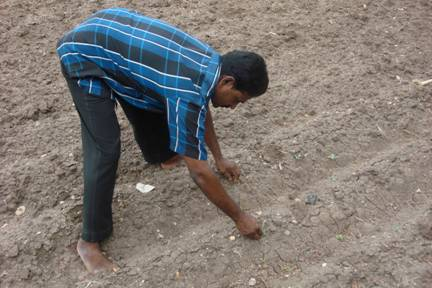
It is advisable to conduct soil testing before sowing a new season’s crop. Soil samples should be collected properly from different parts of the field and sent to an agricultural laboratory for analysis. Care should be taken to ensure that fertilizers, farmyard manure, or other materials do not mix with the soil samples.
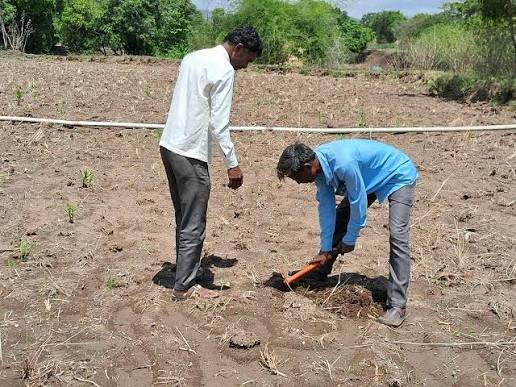
Special Advice for Farmers
Instead of applying fertilizers based only on guesswork, use them according to the soil test report and recommendations from local agricultural experts. This helps maintain soil health and supports proper farm management.
Atur Agri Limited
Quality Seeds • Scientific Agricultural Guidance • Farmers’ Welfare
📞 For More Information, Contact: 9998756798