


Chickpea is an important pulse crop grown during the Rabi season. Various diseases may occur in chickpea crops due to soil-borne fungi, changing weather conditions, excessive moisture, and improper irrigation practices. These diseases can affect plant growth, flowering, pod formation, and overall crop yield. Therefore, timely identification of diseases and proper crop management are essential for farmers.
1. Chickpea Wilt (Fusarium Wilt)
Symptoms: Plants suddenly begin to wilt, leaves turn yellow, and the plants gradually dry up. In some cases, one side of the plant may show more severe symptoms than the other.
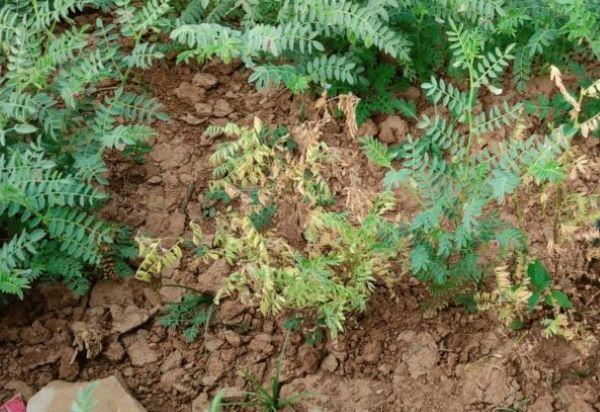
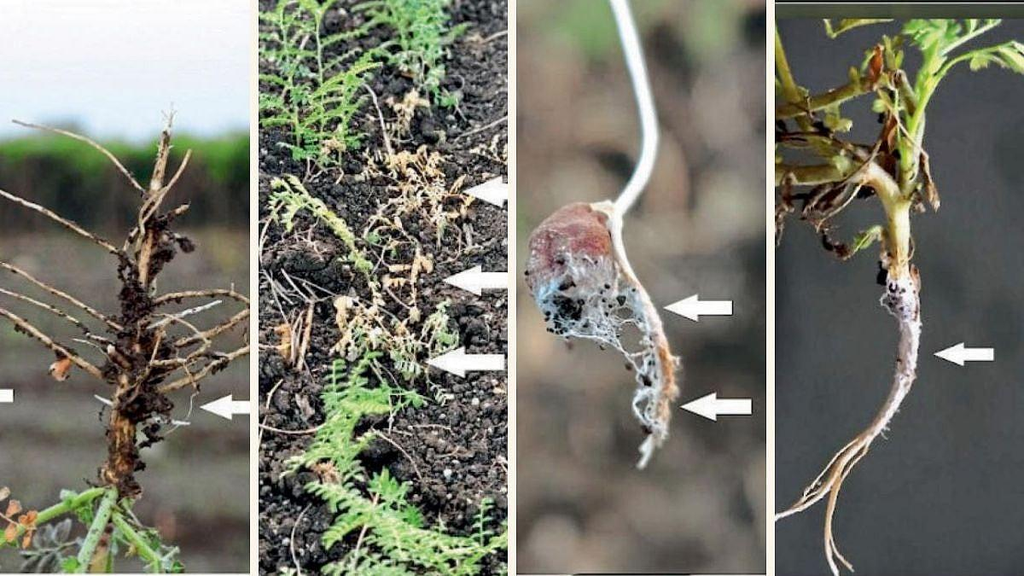
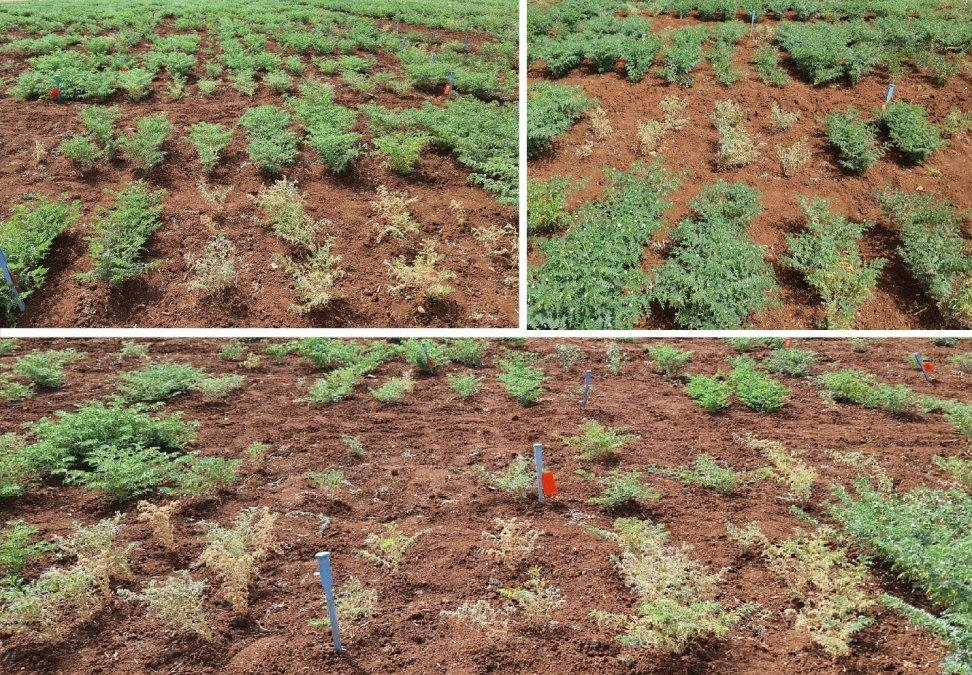
Management: Select disease-free seeds, follow crop rotation practices, and treat seeds with recommended seed-treatment products before sowing.
2. Collar Rot
Symptoms: Rotting occurs at the lower part of the plant stem near the soil surface. Young plants may suddenly dry up, and the stem becomes weak near the ground level.
Management: Avoid waterlogging in the field, maintain proper soil drainage, and regularly monitor the crop for infected plants.
3. Root Rot
Symptoms: The roots become weak and deteriorated, with brown or black rotting symptoms. Plant growth is affected, and the plants may turn yellow and gradually dry up.
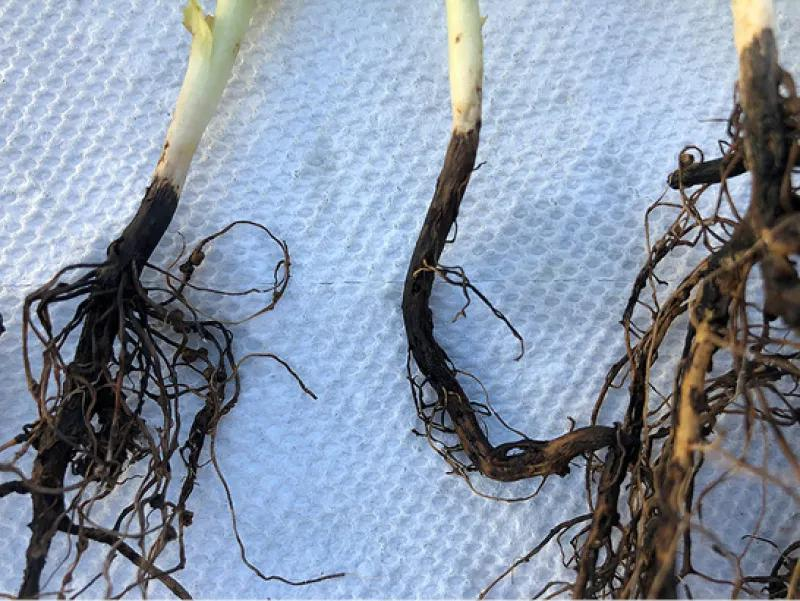
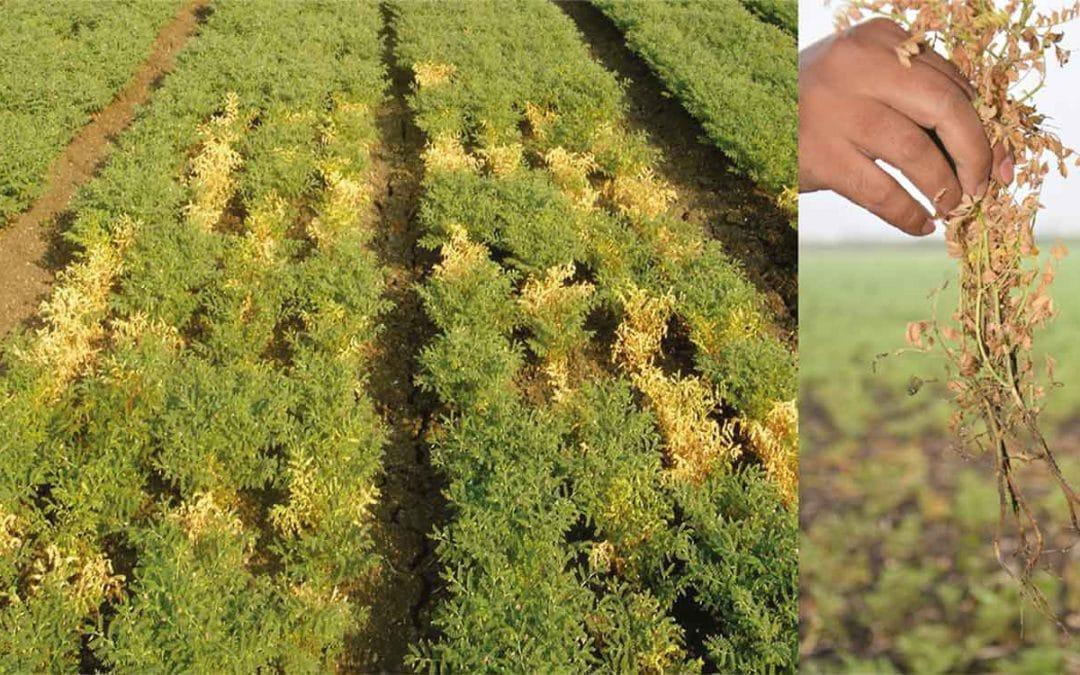
Management: Sow chickpea in well-drained soil, follow proper seed-treatment practices, and avoid excessive moisture in the field.
4. Ascochyta Blight
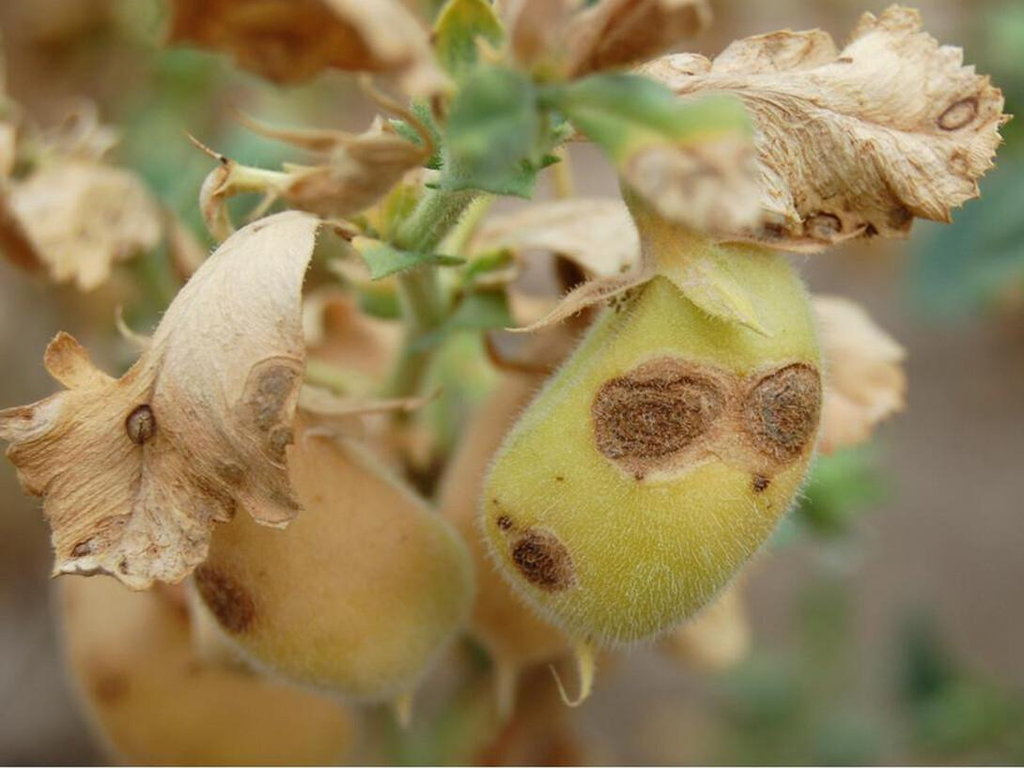
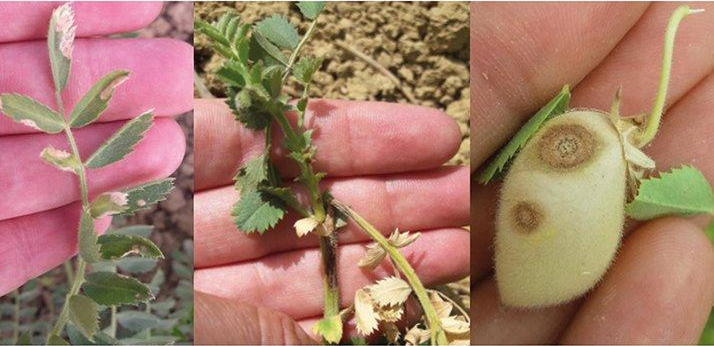
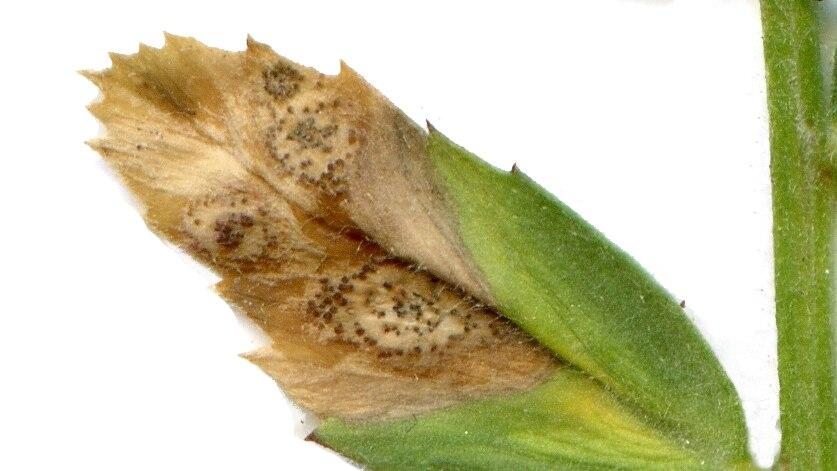
Symptoms: Circular brown or black spots appear on leaves, branches, and other parts of the plant. The spread of the disease may increase under humid weather conditions.
Management: Use disease-free seeds, regularly monitor the crop, and avoid excessive moisture in the field.
5. Blight and Other Fungal Diseases in Chickpea
Symptoms: Brown spots appear on leaves, followed by drying of leaves and weakening of branches. As the disease severity increases, plant growth and pod development may also be affected.
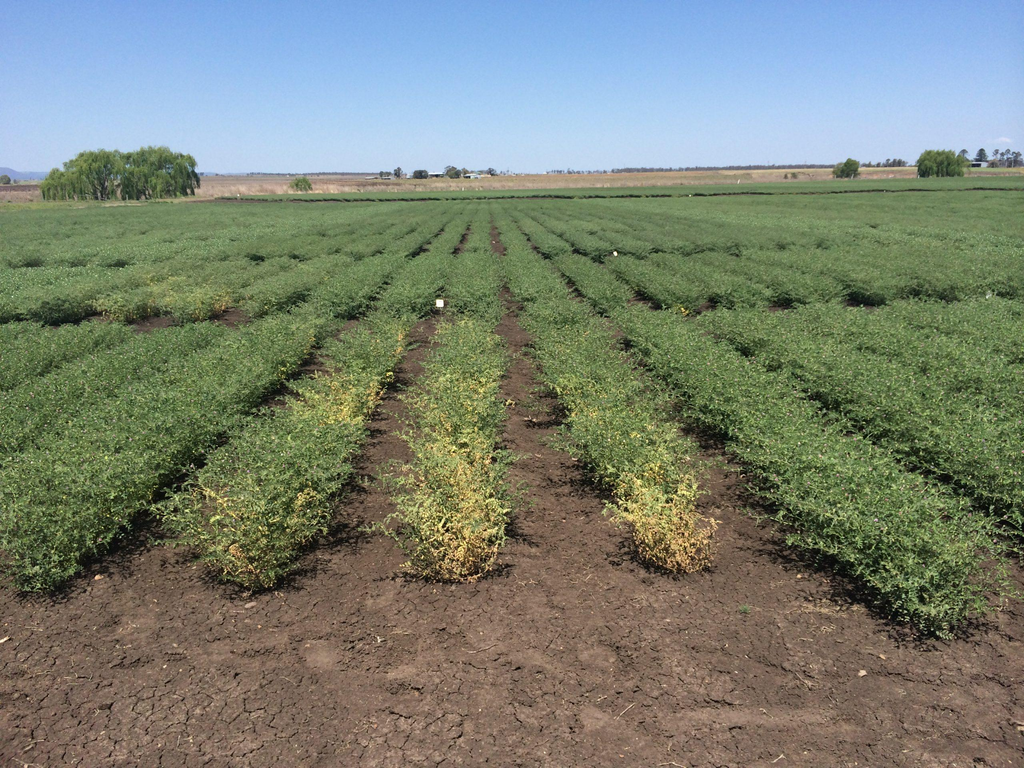
Management: Regularly monitor the crop, maintain proper plant spacing to ensure good air circulation, and consult an agricultural expert if disease symptoms are observed.
Message for Farmers
To protect chickpea crops from diseases, it is essential to select healthy and quality seeds, follow proper seed-treatment practices before sowing, adopt crop rotation, maintain proper field drainage, and regularly monitor the crop. Early identification of diseases and the adoption of scientific farming practices can help reduce crop damage and minimize yield losses.
Atur Agri Limited – Quality Seeds • Scientific Agricultural Guidance • Farmers’ Welfare
ATUR AGRI LIMITED/99987 56798