


Coriander is an important spice crop cultivated during the Rabi season. Proper sowing, balanced nutrition, timely irrigation, and regular monitoring of insect pests are essential for healthy crop growth. Changing weather conditions, temperature, and humidity may encourage certain insect pests to damage the coriander crop. These pests may initially be difficult to notice, but if they are not identified and controlled in time, they can affect plant growth, flowering, and seed quality.
1. Aphids
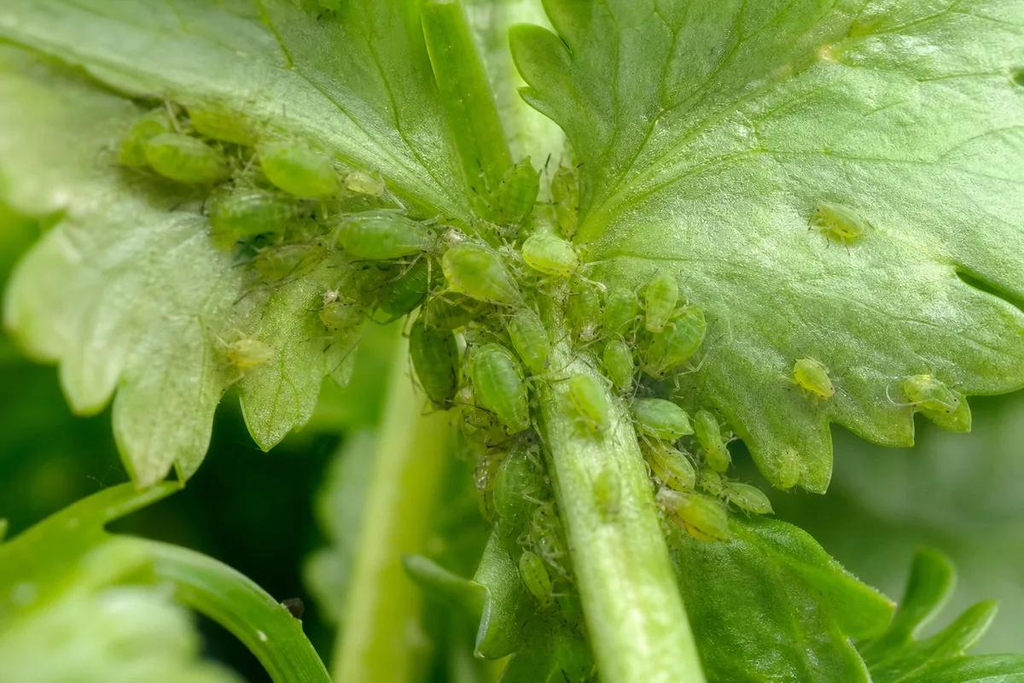
Aphids are commonly found in coriander crops, particularly during the flowering and seed-setting stages. These pests suck sap from tender plant parts, flowers, and flower clusters. As a result, plants become weak, flowering and seed formation may be affected, and leaves may become sticky due to honeydew secretions.
2. Whitefly
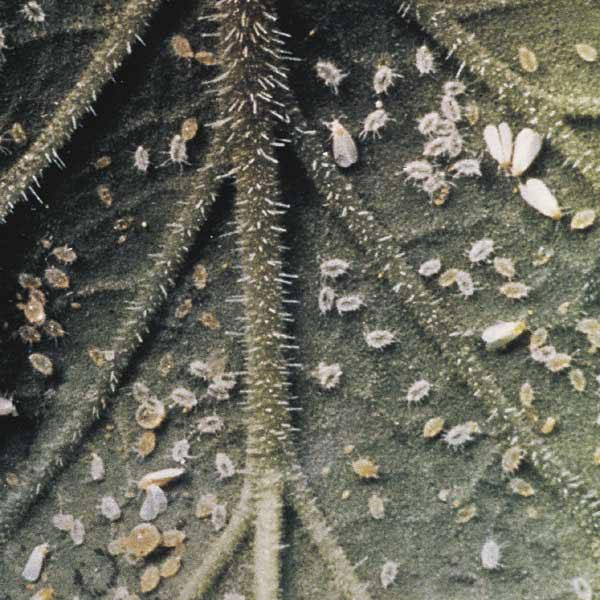
Whiteflies are commonly found on the undersides of coriander leaves. They suck sap from the leaves, slowing down plant growth. Under severe infestation, symptoms such as yellowing of leaves and weakening of plants may be observed.
3. Thrips
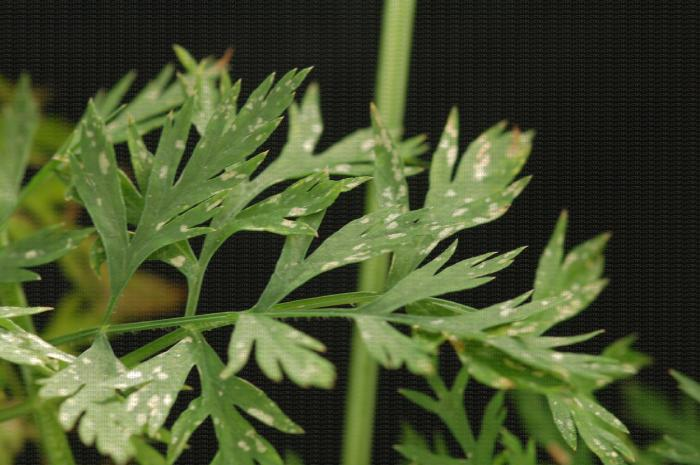
Thrips are tiny insect pests that suck sap from leaves and tender plant parts. Their infestation may cause silvery or pale-coloured spots, leaf curling, and stunted plant growth.
4. Cutworm
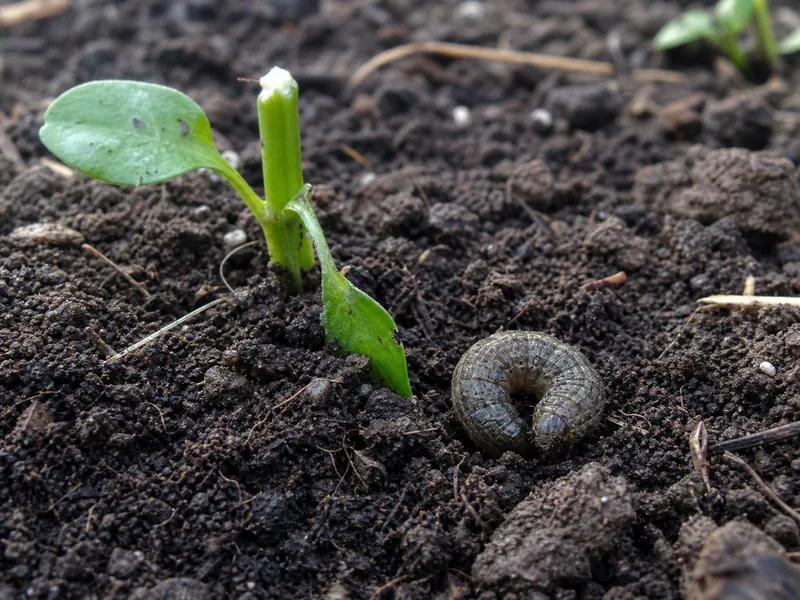
Cutworms cause damage, particularly during the early growth stage of the crop. The larvae cut the plant stems near the soil surface, causing young plants to fall over and potentially reducing the plant population in the field.
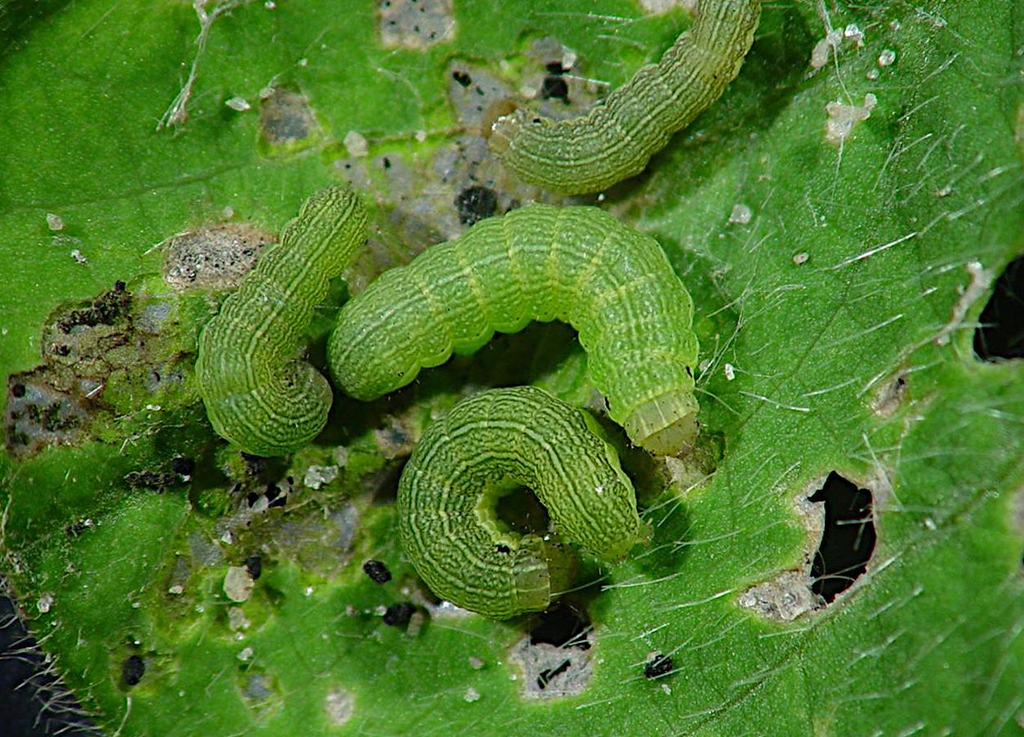
5. Leaf-Eating Caterpillar
Leaf-eating caterpillars damage coriander crops by feeding on the leaves. Their infestation causes holes in the leaves and affects the greenness and growth of plants. Under severe infestation, the plant’s ability to produce food through photosynthesis may be reduced.
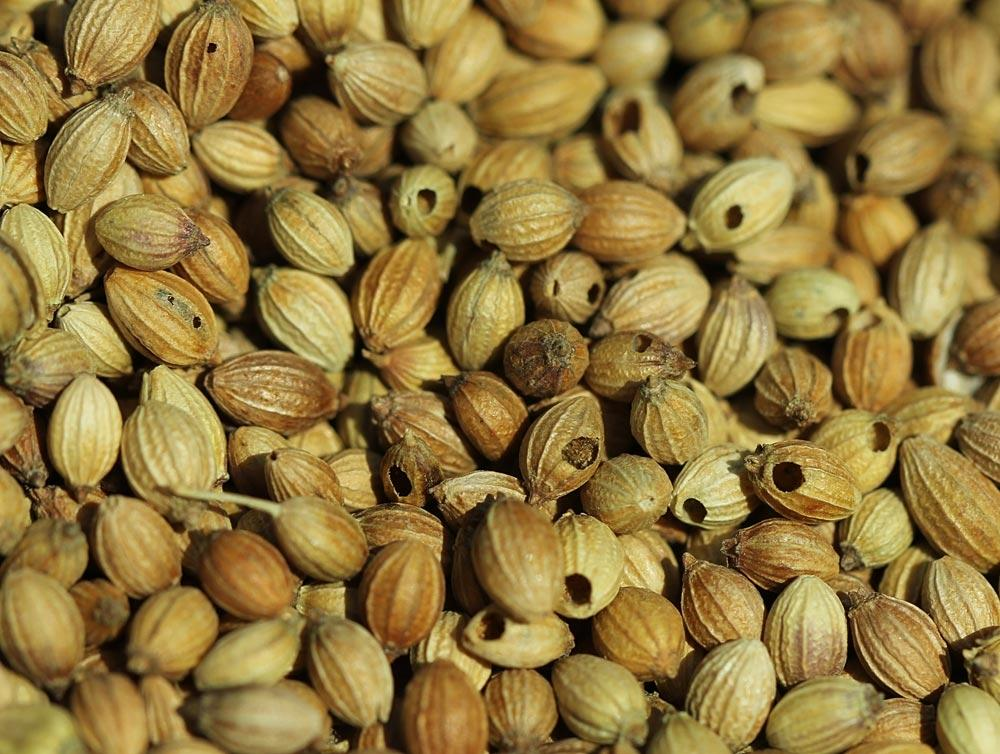
6. Seed Chalcid Fly
This pest can damage coriander seeds during their development stage. Its infestation may affect seed quality, seed weight, and germination capacity.
Proper Crop Management for Pest Control
- Regularly inspect the field to identify pest infestations at an early stage.
- Control weeds in the field and maintain cleanliness around the crop.
- Monitor sap-sucking pests such as aphids and whiteflies, particularly on the undersides of leaves and in flower clusters.
- Use yellow sticky traps as needed to monitor sap-sucking insect pests.
- During the initial stage of infestation, neem-based products may be used as per the advice of local agricultural experts.
- Protect beneficial insects such as ladybird beetles and green lacewings (Chrysopa) if they are present in the field, and avoid unnecessary pesticide spraying.
- Use pesticides registered for the specific crop and target pest, strictly according to label instructions, only when pest infestation exceeds the economic threshold level. During the flowering stage, take special care to protect honeybees and other pollinating insects.
Farmers, timely identification and proper management of insect pests are essential for achieving good yields and quality seeds in coriander crops. Special attention should be given to regularly monitoring aphids and other sap-sucking pests, particularly during the flowering stage. Identifying the early symptoms of pest infestation and adopting scientific farming practices can help reduce crop damage and improve overall crop health.
Quality Seeds • Scientific Agricultural Guidance • Farmers’ Welfare
Atur Agri Limited — Continuously Working Towards Farmers’ Prosperity.