


Yes. When discussing cumin cultivation during the 2026–27 winter season, weather conditions, sowing time, soil moisture, and disease management will be particularly important for farmers in Gujarat.
Gujarat is one of the major cumin-producing states in India, and its cumin productivity has historically remained good.
🌱 Key Factors for the Cumin Season
1️⃣ Sowing Time
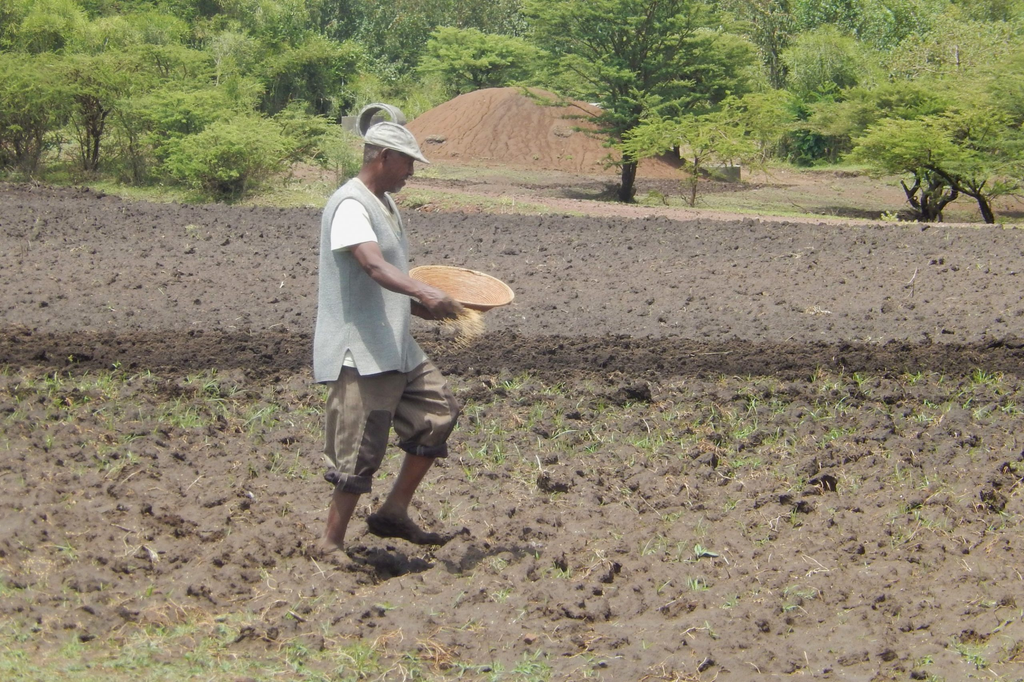
Generally, cumin can be sown from late October to December. Agricultural recommendations indicate the period from 25 October to 15 December as a suitable sowing window.
Junagadh Agricultural University
A state agricultural university established under Gujarat Act No. 5 of 2004 by Govt. of Gujarat
However, the goal should not be to simply sow early. It is more important to sow when soil moisture, rainfall conditions, and temperature are favorable. Recent research by JAU [junagadh agricultural university] observed good germination and early crop growth with sowing during the third week of November.
2️⃣ What Kind of Weather Does Cumin Require?
During the initial growth stage, cumin performs well under cool and relatively dry weather conditions. Excessive moisture, frequent rainfall, or waterlogging in the field can increase the risk to the crop.
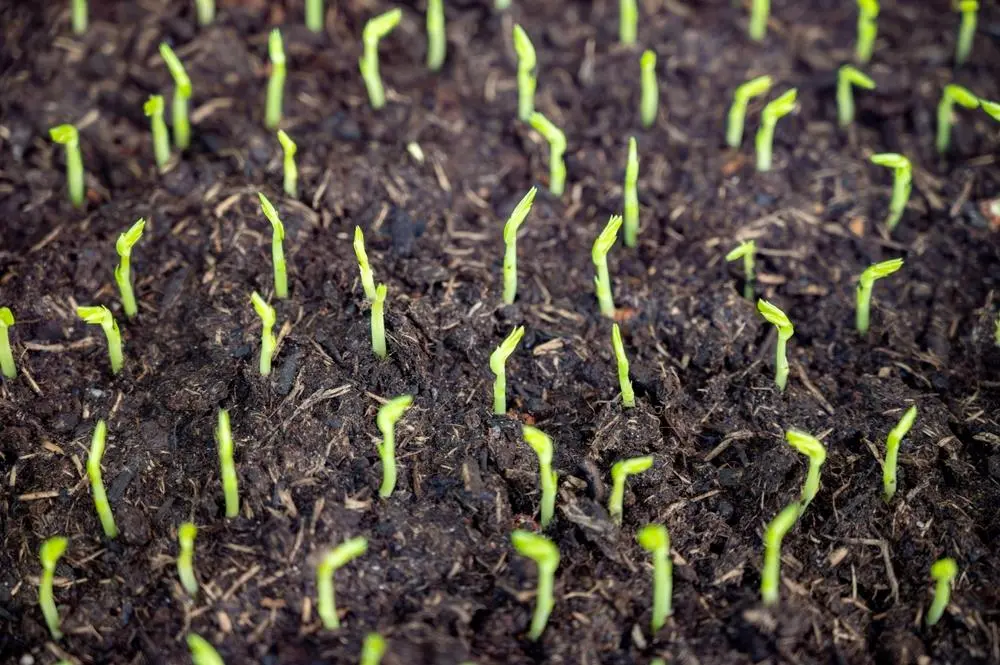
In particular, humid conditions can favor fungal diseases. Therefore, it is important to plan proper drainage and disease management well in advance, even before sowing.
3️⃣ Soil and Water Management
- Light to medium-textured, well-drained soil is suitable for cumin cultivation.
- It is very important to ensure that water does not stagnate in the field.
- Instead of over-irrigating cumin, apply light irrigation as per the crop’s requirements.
- If the soil is heavy, special attention should be given to proper drainage.
4️⃣ Key Points to Consider During Sowing
- Select certified and high-quality seed.
- Seed treatment can help reduce the risk of diseases.
- Sowing in rows can help maintain a more organized plant population and make field monitoring easier. In one JAU[junagadh agricultural university] field trial, the recommended method with 30 cm row spacing recorded higher yield than broadcasting.
⚠️ The Biggest Risk — Diseases
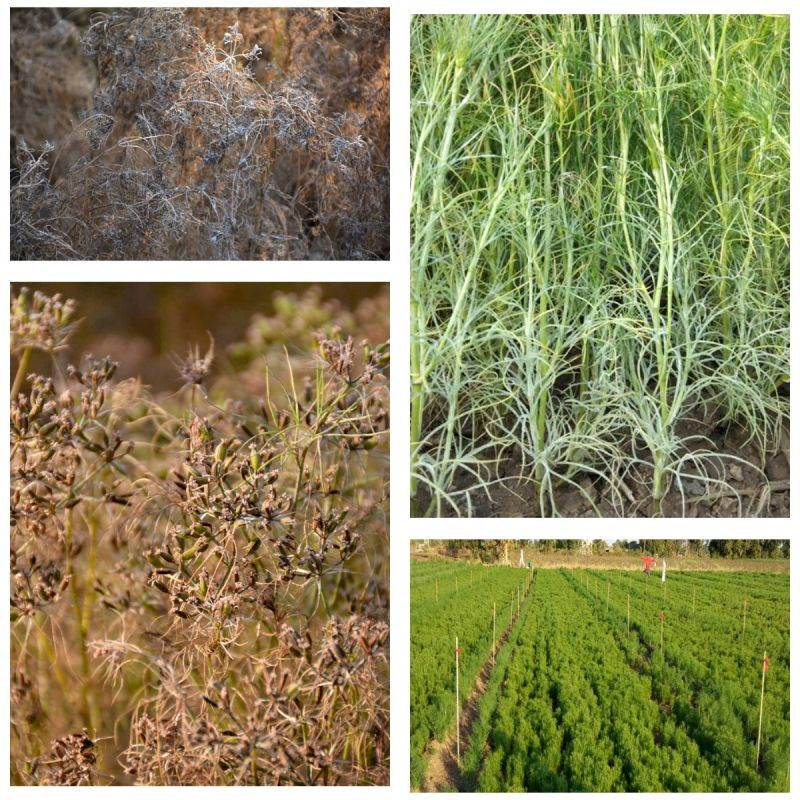
In cumin, the field should be regularly monitored from the beginning, especially for powdery mildew, wilt, and other fungal diseases.
Instead of spraying chemicals only after symptoms appear, it is more appropriate to take action based on accurate disease identification + weather conditions + crop growth stage.
💰 Market Considerations
Cumin prices can fluctuate significantly from year to year. Factors such as the area under cultivation, weather conditions, total production, quality, and export demand can affect prices. Therefore, it is not appropriate to determine the profitability of the entire season based solely on today’s market price.
🌾 An Important Message for Farmers
It is currently 24 September 2026, so there is still time to plan for cumin sowing. Farmers can start preparing from now:
Prepare the soil → Ensure proper drainage → Select suitable seed → Treat the seed → Sow at the right time → Monitor diseases and pests from the beginning
IMD[India Meteorological Department] also provides crop- and weather-based agricultural advisories and forecasts for farmers. Therefore, it is important to check the latest local weather forecast when making the final sowing decision.