


Hello Farmer Friends,
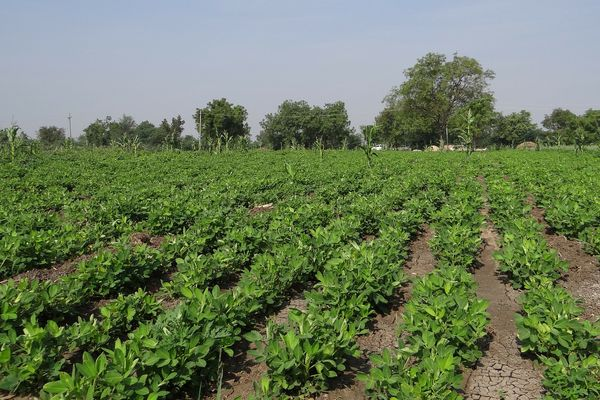
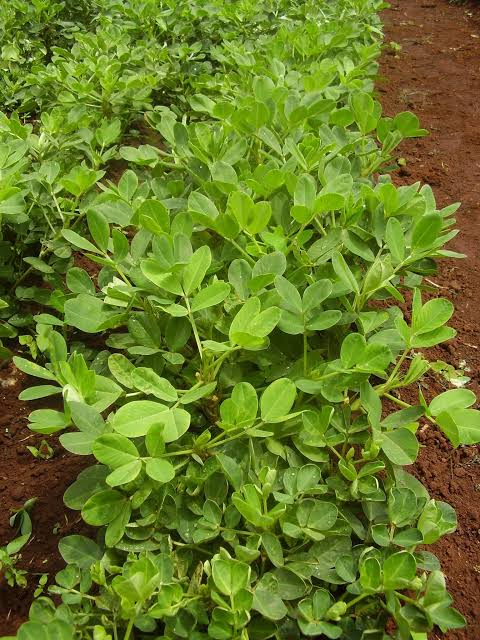
At present, in many fields, it is observed that groundnut plants have grown very large and remain green, but fewer pegs are formed, or even when pegs are present, pod formation remains low. There can be several reasons behind this problem.
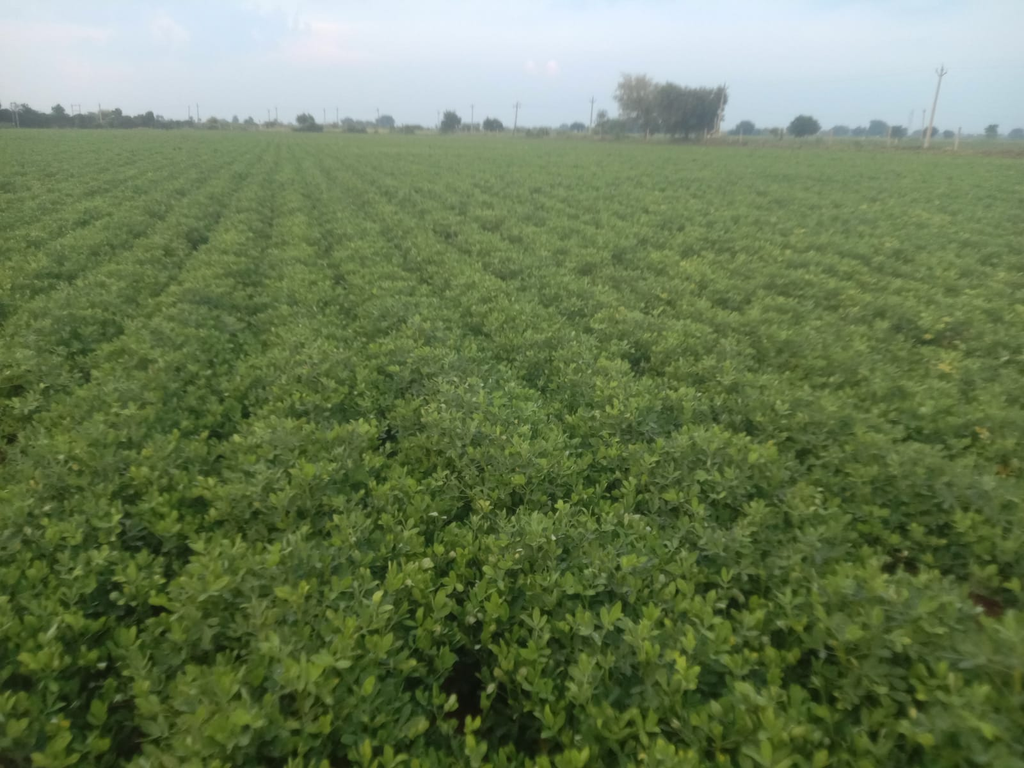
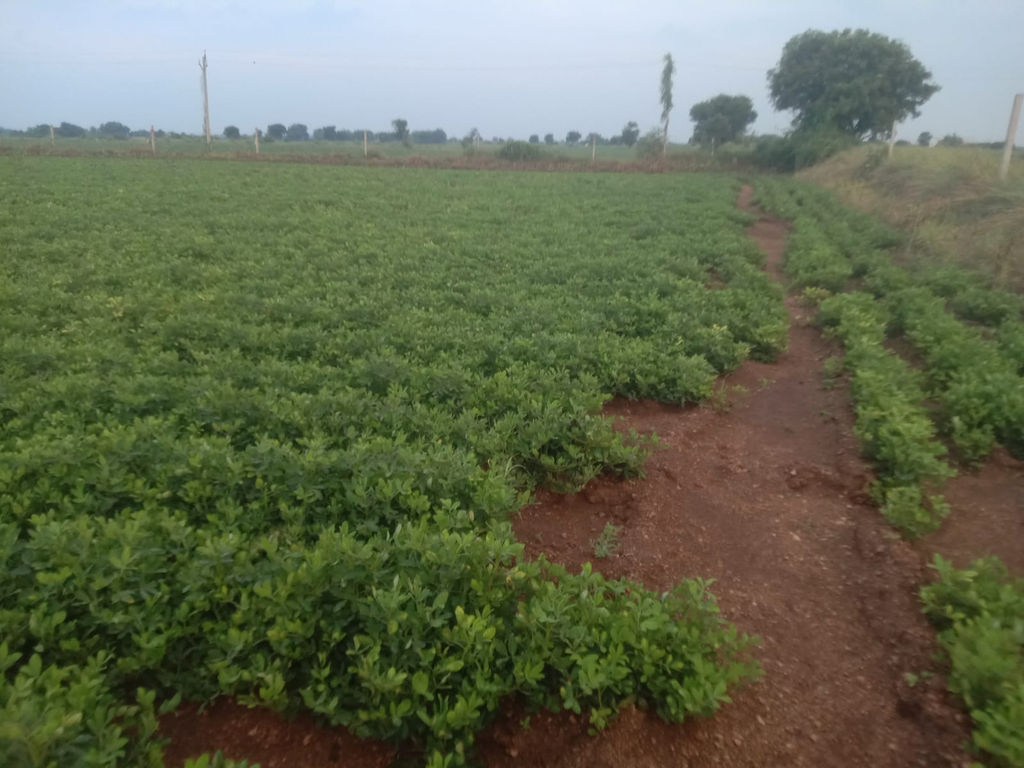
🔍 Main Causes of This Problem
Excessive Use of Nitrogen (Urea)
If excessive urea or nitrogen is applied to the crop, it can promote excessive growth of leaves and branches, while potentially affecting peg formation and pod development.
Keep in Mind:
- Do not apply more nitrogen than required.
- Manage fertilizer application according to the crop condition and soil test recommendations.
Deficiency of Phosphorus and Potassium
Phosphorus (P) and Potassium (K) are important nutrients for peg formation and pod development in groundnut.
What Can Be Done?
- If the soil is deficient in nutrients, manage phosphorus and potassium according to the crop’s requirements.
- It is more appropriate to plan fertilizer application based on soil test results.
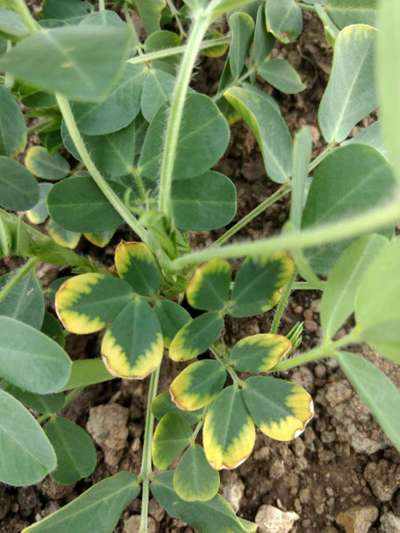
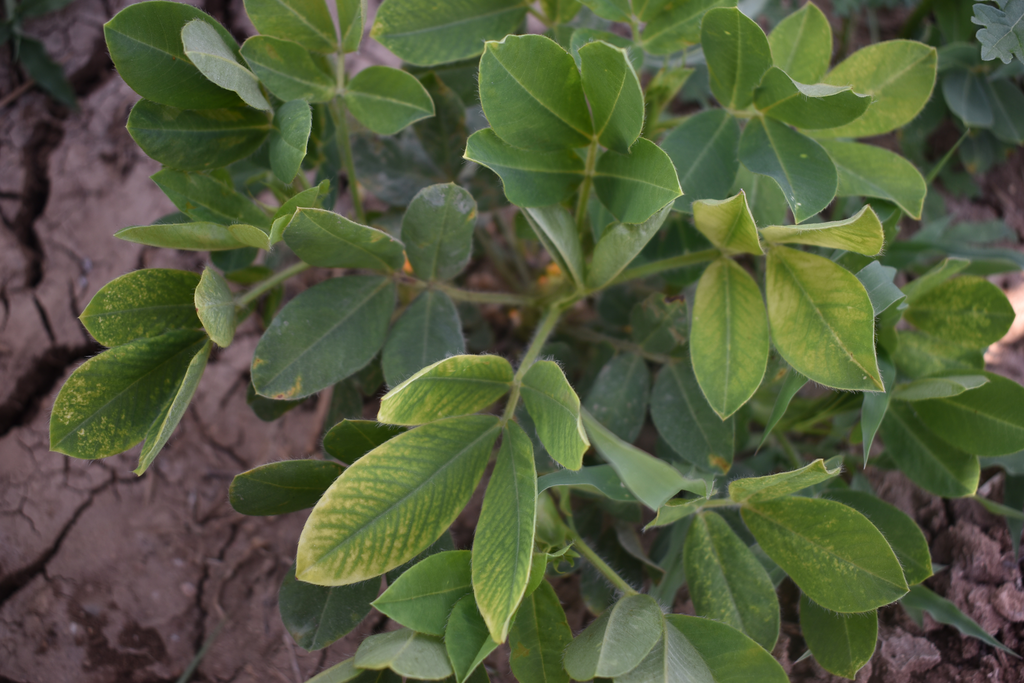
Calcium and Sulphur Deficiency
Calcium (Ca) is a very important nutrient for pod and kernel development in groundnut. Calcium deficiency can result in fewer pods even when pegs are present, or poor kernel development inside the pods.
What Should Be Done?
- Gypsum or other calcium sources can be applied at the appropriate stage according to soil requirements.
- The effectiveness of calcium application may be better when adequate soil moisture is available.
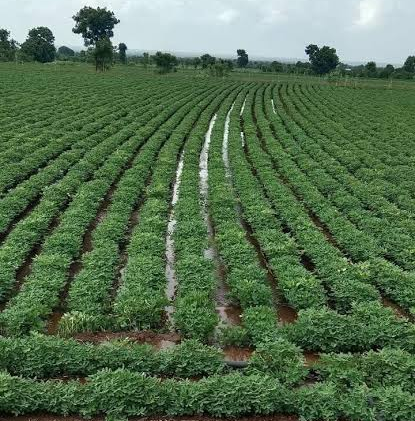
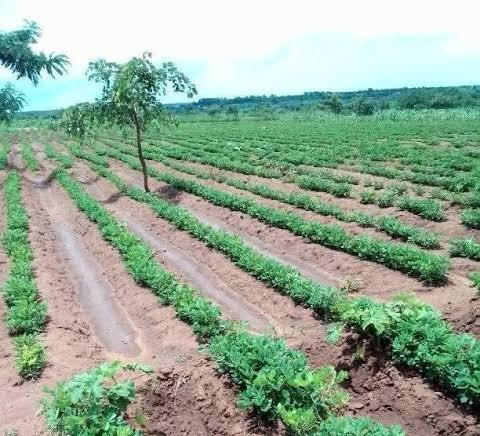
Lack of Soil Moisture
Adequate soil moisture is essential when pegs enter the soil and during pod formation.
Keep in Mind:
✅ Avoid excessive waterlogging.
✅ Do not allow the soil to remain dry for a prolonged period.
✅ Maintain proper irrigation and drainage according to the crop’s needs.
Soil Compaction
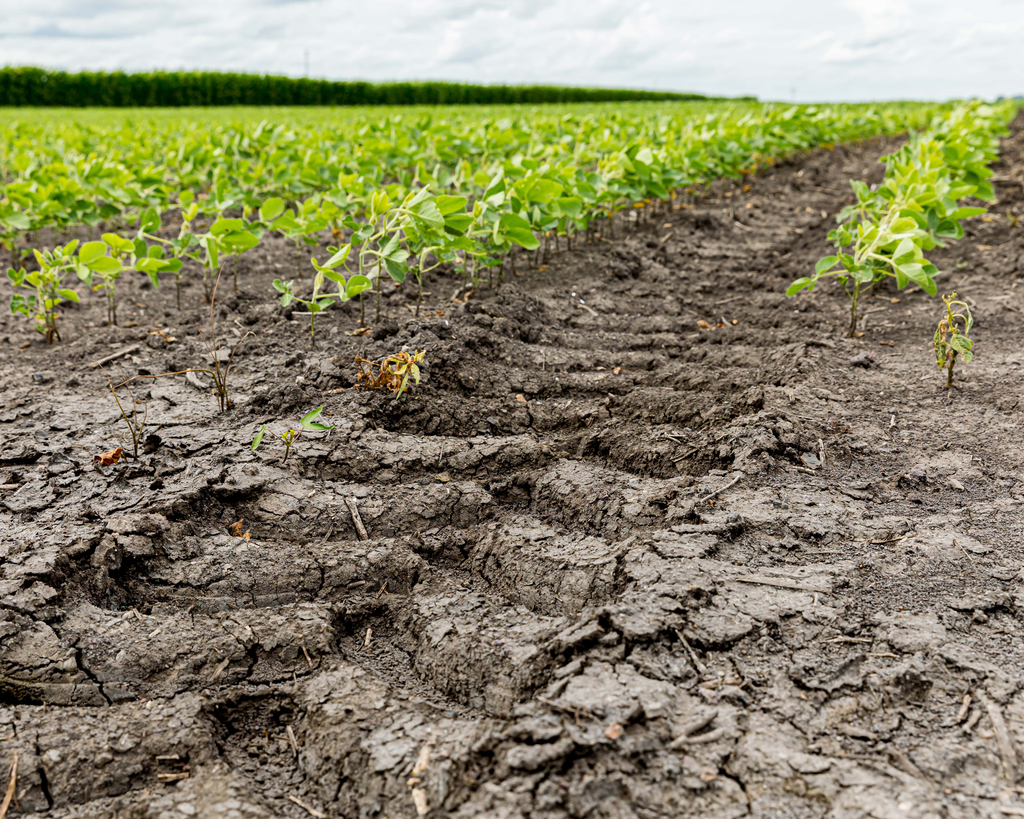
If the soil becomes too hard or compacted, pegs may not be able to penetrate the soil easily.
What Should Be Done?
- Maintain adequate soil moisture.
- Avoid waterlogging conditions.
- The use of organic matter can help improve and maintain better soil structure.
Impact of Pests and Diseases
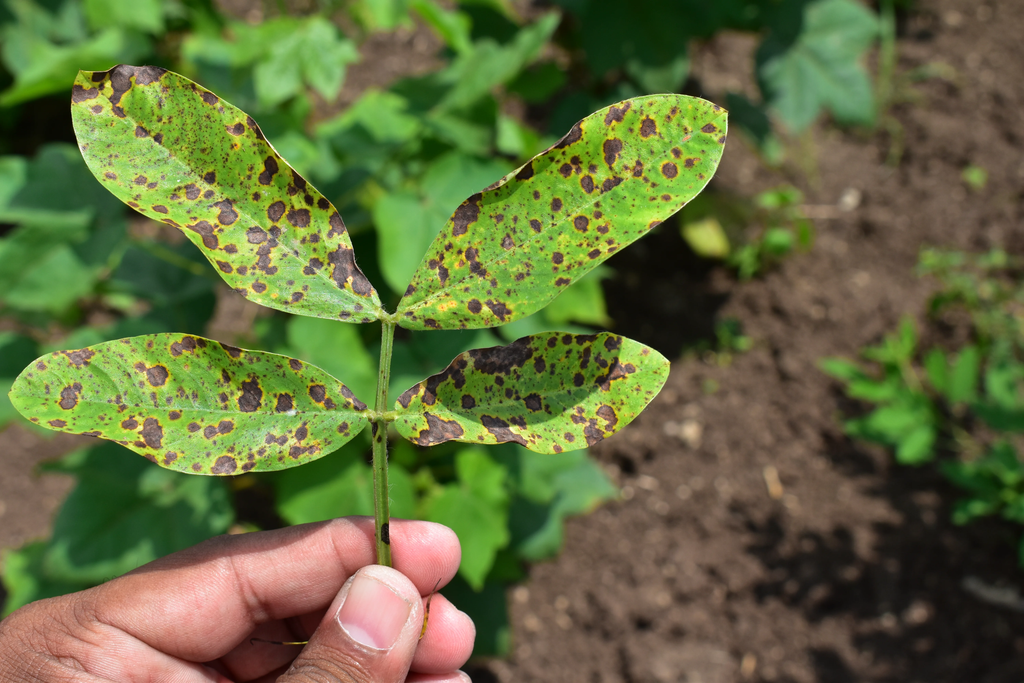
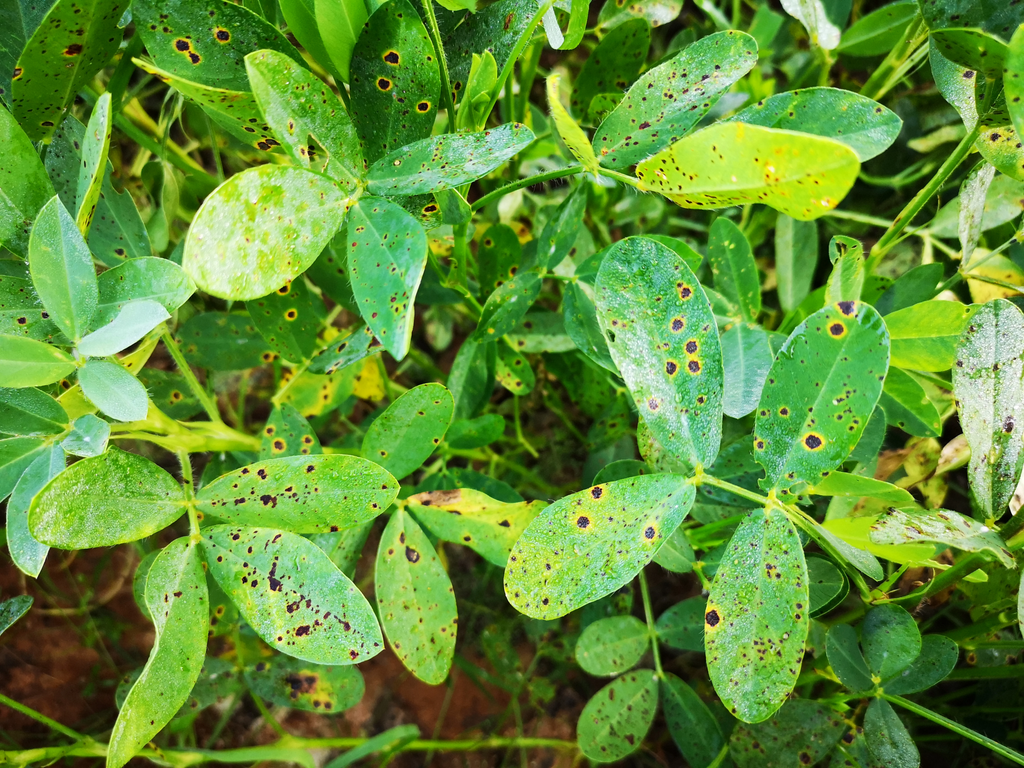
Certain diseases or pests can affect pod development even when the plants appear healthy and have good vegetative growth.
What Should Be Done?
- Regularly inspect the crop.
- Identify the pest or disease correctly before adopting the appropriate control measures.
🌿 Important to Remember
In groundnut, a large plant does not always mean higher yield.
Proper nutrition + balanced fertilizer management + adequate soil moisture + sufficient calcium availability + regular crop monitoring = can help support better peg formation and pod development.
🌾 Atur Agri Limited / 99987 56798
From the farmer’s field to the field of prosperity, always with farmers.
Agricultural Guidance • Crop Care • Farmer Welfare