


Publication Date: 17 October 2026 | Category: Agricultural News / Crop Guidance
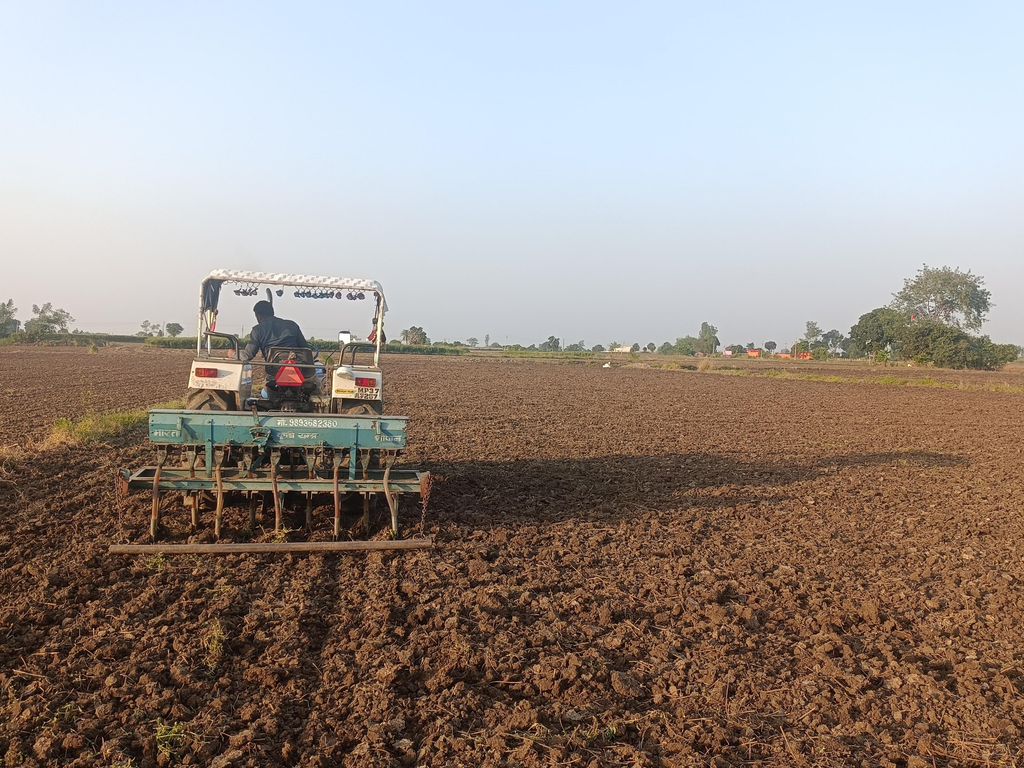
Preparations Begin for the Rabi Season in Gujarat: Important Tips on Weather and Crop Management for Farmers
Greetings, Farmer Friends,
Farmers across Gujarat are gradually preparing their fields and planning sowing activities for the Rabi Season 2026–27. For successful cultivation of cumin, chickpea, wheat, and other Rabi crops, selecting the appropriate sowing time, preparing the soil, managing soil moisture, and choosing quality seeds are extremely important.
According to the weather warning bulletin issued by the India Meteorological Department (IMD) on 17 October 2026, no weather warnings have been indicated for the Gujarat region or Saurashtra-Kutch for the period from 17 to 23 October. However, as local weather conditions may vary, farmers should check the latest forecasts for their respective districts and talukas.
🌦️ Current Weather in Gujarat: What Do Farmers Need to Know?
According to the India Meteorological Department (IMD) report dated 17 October, the maximum temperatures recorded on 16 October were 40.1°C in Rajkot, 38.3°C in Amreli, and 38.1°C in Ahmedabad.
These figures represent temperatures recorded on the previous day and should not be interpreted as forecasts for the coming days.
- Before sowing, check whether the soil has sufficient moisture.
- If temperatures are high and soil moisture is inadequate, plan sowing according to local conditions.
- If rain is expected, ensure proper drainage to prevent waterlogging in the field.
- Before applying fertilizers or crop protection chemicals, check the weather conditions and follow the instructions provided on the product label.
Note: The absence of weather warnings does not mean that the possibility of rainfall can be completely ruled out in every area. It is essential to check the latest weather forecast before sowing or spraying.
🌱 Essential Guidance for Cumin Sowing
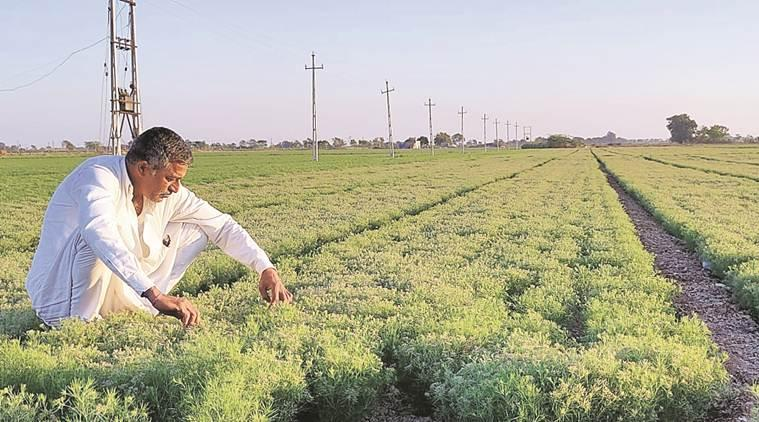
Cumin is an important spice crop in Gujarat. Proper planning from the beginning of cultivation can help ensure good crop establishment and growth.
- Suitable Soil: Choose well-drained soil with a suitable structure for cumin cultivation.
- Soil Moisture: Ensure that the soil is neither too dry nor excessively wet.
- Seed Selection: Purchase seeds from a certified source and check the label, batch number, and germination-related details.
- Sowing Time: Follow the sowing recommendations of the local agricultural university or agricultural experts.
- Crop Monitoring: After germination, monitor plant health, soil moisture, and signs of disease.
Waterlogging and excessive moisture in cumin crops can create favorable conditions for certain plant diseases. Therefore, proper drainage and irrigation planning according to crop requirements are important.
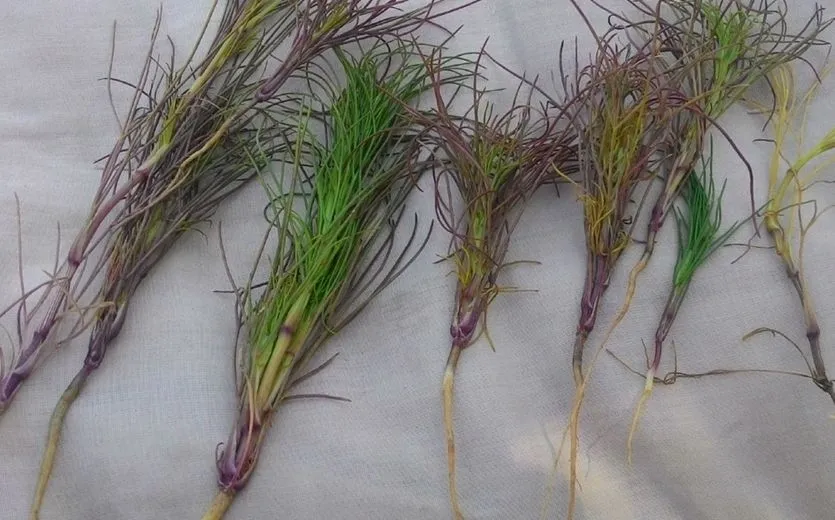
🛡️ Precautions for Disease and Pest Management
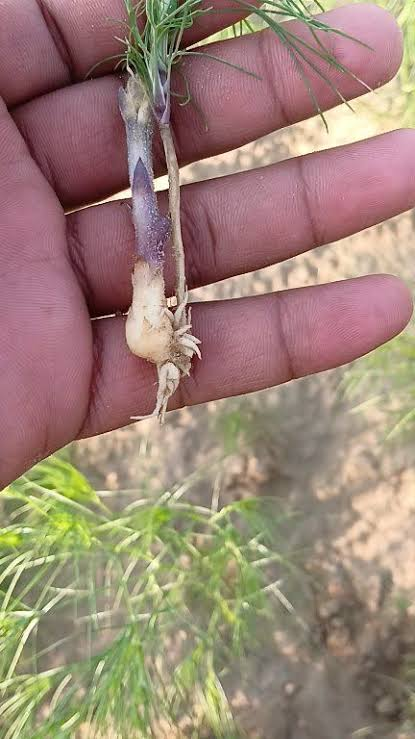
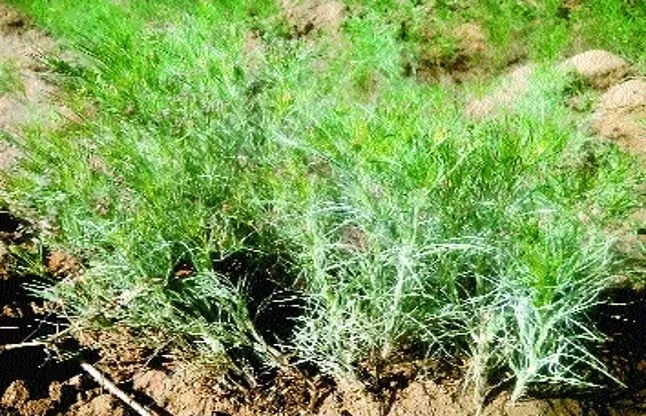
Regular monitoring from the early stages of Rabi crops helps farmers identify signs of diseases and pests at an early stage.
- Inspect the field regularly every week.
- If symptoms such as yellowing, wilting, or abnormal plant growth appear, investigate the underlying cause.
- Choose a control method only after correctly identifying the disease or pest.
- When using pesticides, follow the dosage, precautions, and safety instructions mentioned on the product label.
- If necessary, contact a nearby agricultural expert or Krishi Vigyan Kendra (KVK) for guidance.
For seed availability and further information regarding cumin and chickpea sowing, please contact Atur Agri Limited.
Contact Number: 9998756798
Atur Agri Limited