


Cumin is an important Rabi-season spice crop for farmers in Gujarat. Cumin is widely cultivated in the Saurashtra and North Gujarat regions. Just as quality seeds, timely sowing, irrigation, and proper crop management are essential for cumin cultivation, protecting the crop from diseases is equally important.
Some diseases in cumin crops can spread rapidly due to favourable weather conditions and excessive moisture. If diseases are not identified in time and proper management measures are not taken, they can adversely affect crop growth, seed quality, and overall yield.
1. Wilt Disease
Wilt is a serious disease affecting cumin crops. This disease is caused by a fungus present in the soil.
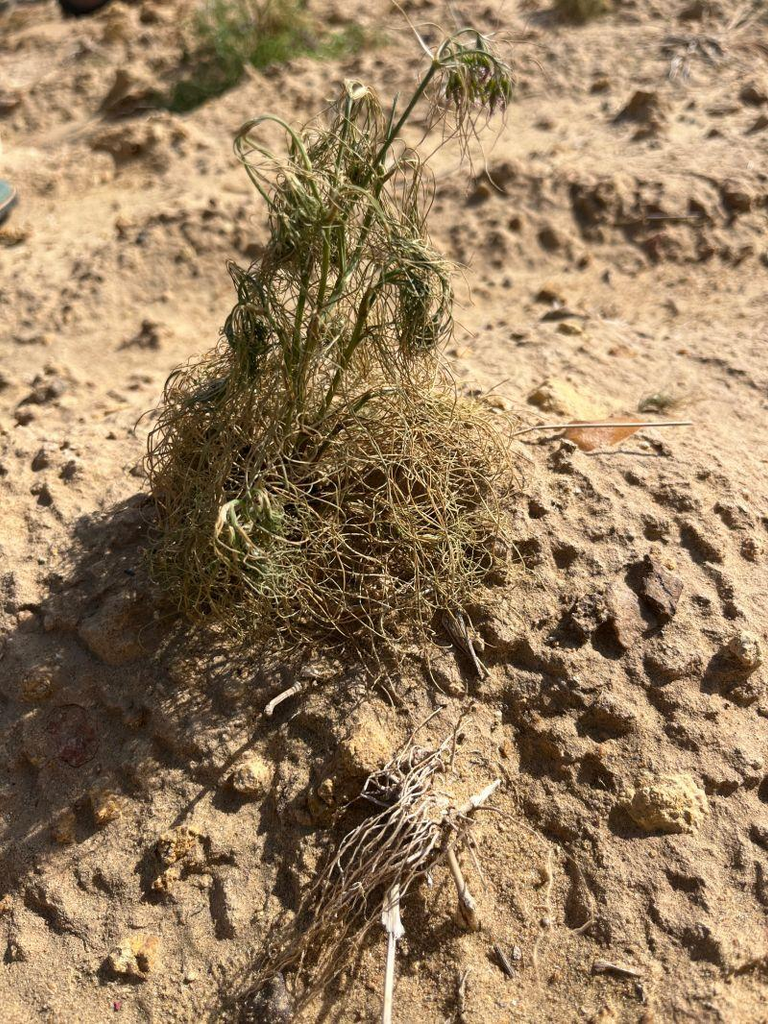
Major Symptoms:
- Plant growth becomes stunted.
- The leaves of the plant start turning yellow.
- The plants gradually begin to wilt.
- Symptoms can be observed in the roots and stem of the plant.
- Eventually, the plants may dry up and die.
Management:
- Use disease-free and certified seeds.
- Adopt crop rotation practices.
- Ensure proper drainage and avoid waterlogging in the field.
- Identify and remove infected plants from the field.
- Follow appropriate seed treatment practices as advised by local agricultural experts.
2. Powdery Mildew
Powdery mildew primarily affects the leaves and green parts of cumin plants. Under favourable environmental conditions, this disease can spread rapidly.
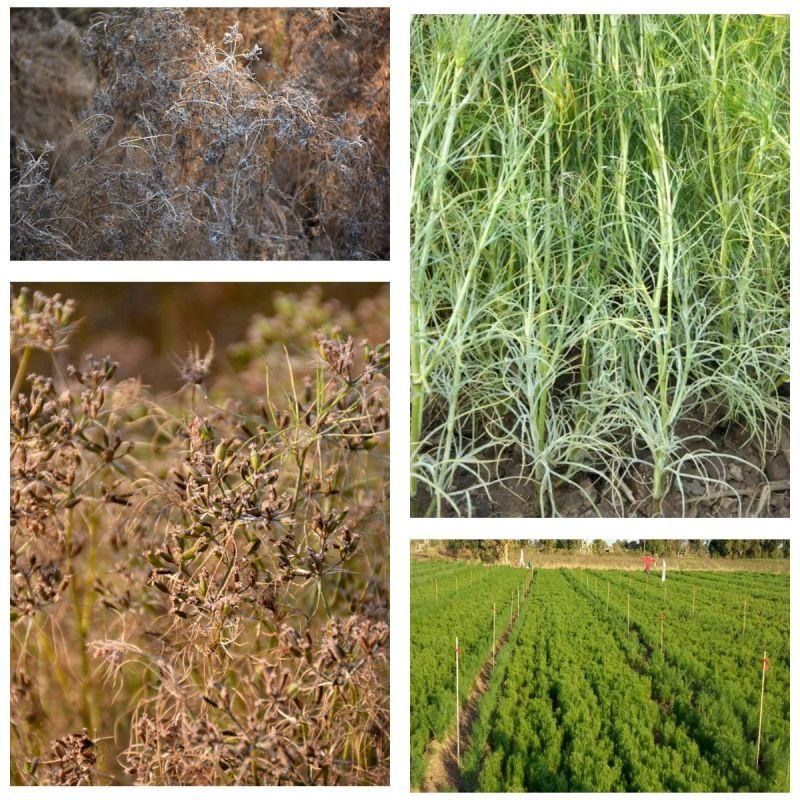
Major Symptoms:
- A white, powdery coating appears on the leaves.
- Gradually, a white coating may also develop on other parts of the plant.
- The leaves may turn yellow.
- Plant growth and seed quality may be affected.
Management:
- Regularly monitor the crop in the field.
- Avoid excessive dense sowing.
- Maintain proper air circulation within the crop.
- If the disease appears, use an appropriate fungicide as recommended by an agricultural expert.
3. Alternaria Blight
Alternaria blight is an important fungal disease affecting cumin crops. The severity of this disease may increase under humid weather conditions and when leaves remain wet for extended periods.
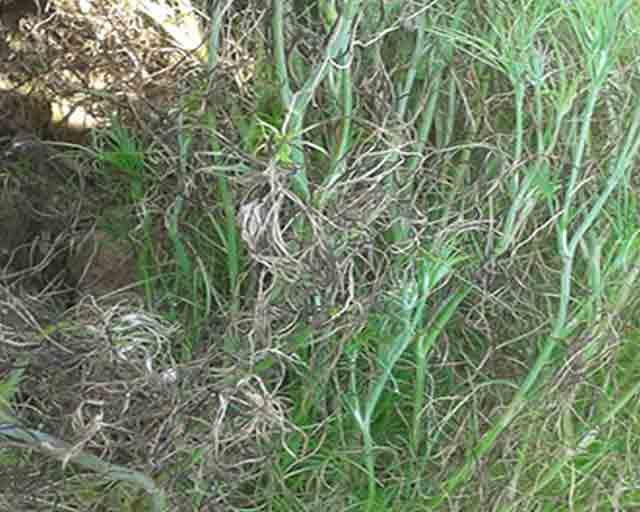
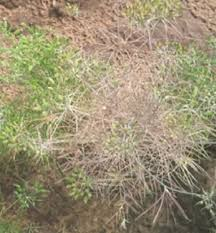
Major Symptoms:
- Small brown or black spots appear on the leaves.
- The spots may gradually increase in size.
- Branches and other parts of the plant may also be affected.
- In severe cases, the green parts of the plant begin to dry out.
Management:
- Maintain proper spacing while sowing the crop.
- Avoid excessive irrigation.
- Regularly monitor the crop for disease symptoms.
- Once the disease is identified, use an appropriate fungicide as recommended by an agricultural expert.
A Message from Atur Agri Limited to Farmers
Dear Farmers, achieving good yields in cumin cultivation requires not only the selection of quality seeds but also proper crop management at every stage of growth. Identifying the early symptoms of diseases and taking timely preventive measures can help reduce crop damage and protect overall yield.
Quality Seeds • Scientific Agricultural Guidance • Farmers’ Welfare
Atur Agri Limited – 99987 56798
Continuously Working Towards Farmers’ Progress.