


Cumin is an important cash crop in Gujarat. Farmers cultivate cumin particularly in the Saurashtra and North Gujarat regions. However, successfully growing a cumin crop under water scarcity and limited irrigation conditions can be a challenge for farmers.
By selecting suitable soil, adopting proper sowing methods, managing soil moisture, and providing irrigation as required, farmers can achieve good cumin production even with limited water.
1. Proper Selection of Soil
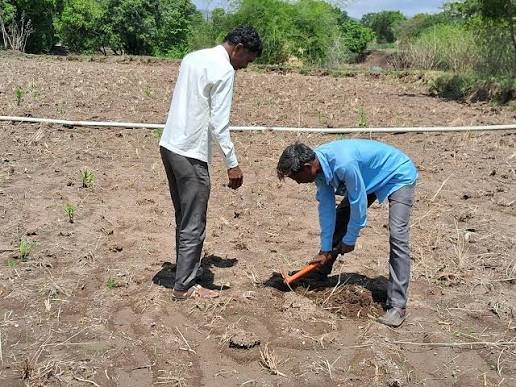
- Select well-drained loamy or medium black soil for cumin cultivation.
- Avoid soil where water tends to accumulate.
- Prepare the field properly before sowing.
- Carry out ploughing and land levelling according to soil conditions to maintain adequate soil moisture.
2. Proper Sowing Method
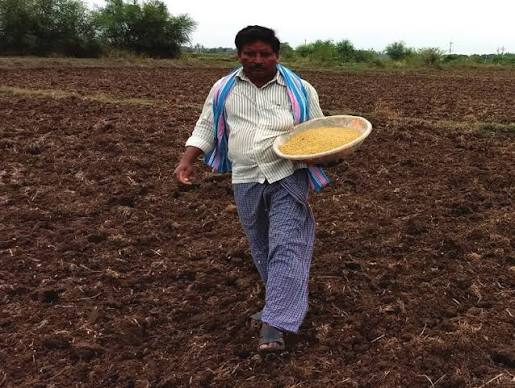
- Wherever possible, cumin should be sown in rows using a seed drill.
- Row sowing makes crop management and weed control easier.
- Use recommended varieties and certified seeds.
- Treat the seeds properly before sowing.
3. Irrigation Management with Limited Water
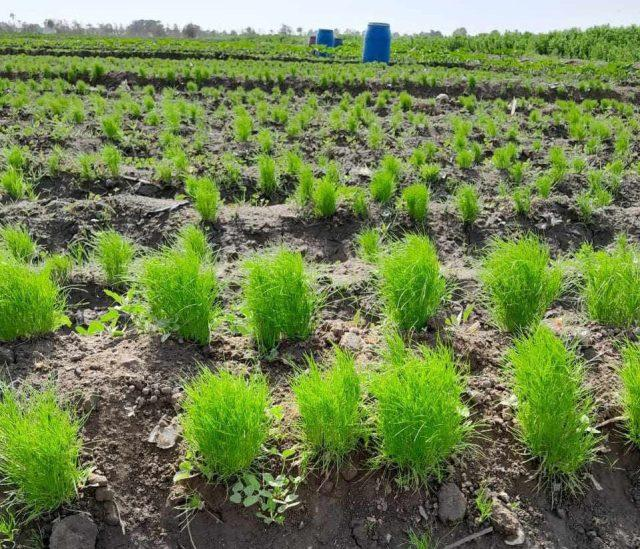
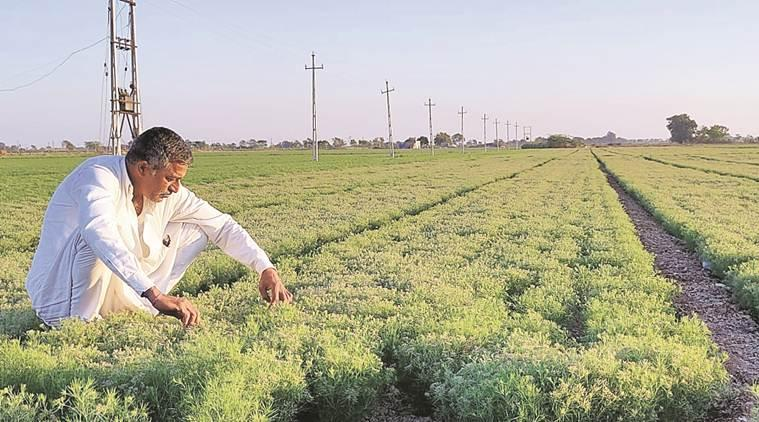
Proper irrigation planning is very important for successful cumin cultivation with limited water.
According to the recommendations of Sardarkrushinagar Dantiwada Agricultural University, the following four-irrigation schedule can be adopted to save water in cumin cultivation.
| Irrigation | Crop Stage |
|---|---|
| First irrigation | At the time of sowing |
| Second irrigation | 8–10 days after sowing |
| Third irrigation | 30 days after sowing |
| Fourth irrigation | 45–50 days after sowing |
This irrigation schedule is based on specific research recommendations for the GC-4 variety. Irrigation timing may vary depending on soil type and weather conditions.
4. Essential Practices for Maintaining Soil Moisture
- Take special care to prevent waterlogging in the field.
- Avoid excessive irrigation beyond the crop’s requirements.
- Remove weeds on time to prevent competition for water and nutrients.
- Regularly monitor soil moisture levels.
- Ensure adequate water availability during the flowering and seed formation stages.
5. Fertilizer Management
- Conduct soil testing before sowing.
- Apply fertilizers according to the soil test report.
- Avoid unnecessary and excessive use of fertilizers.
- If drip irrigation is available, fertigation can be adopted under the guidance of an agricultural expert.
A Message for Farmers
Even with limited water, successful cumin cultivation is possible through proper planning, scientific farming practices, and timely crop management.
Atur Agri Limited
Quality Seeds • Scientific Agricultural Guidance • Farmers’ Welfare
📞 For More Information, Contact: 9998756798
\