


For healthy growth of the pigeon pea crop, better flowering, and proper pod formation, special attention should be given to irrigation, nutrition, pest and disease management, and field sanitation throughout the crop’s growth stages.
At the current stage, farmers should regularly monitor the condition of the field and carry out crop management practices according to the specific needs of the crop.
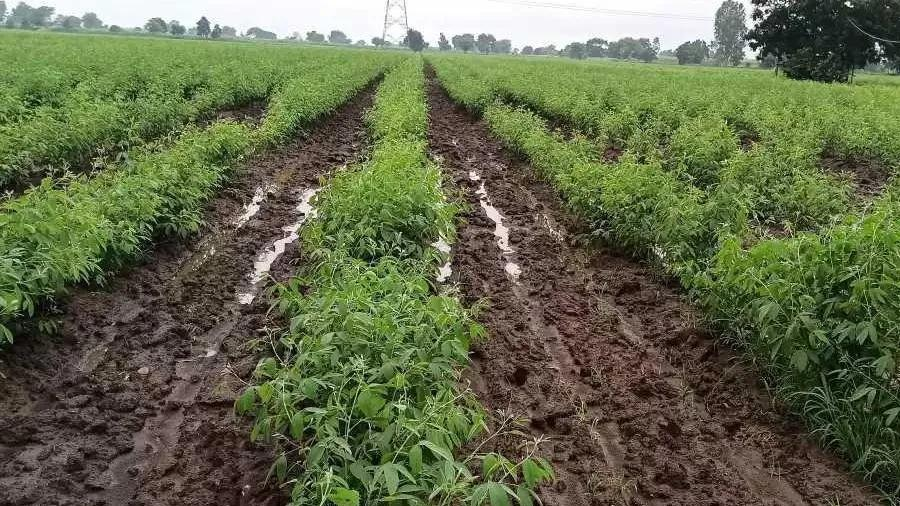
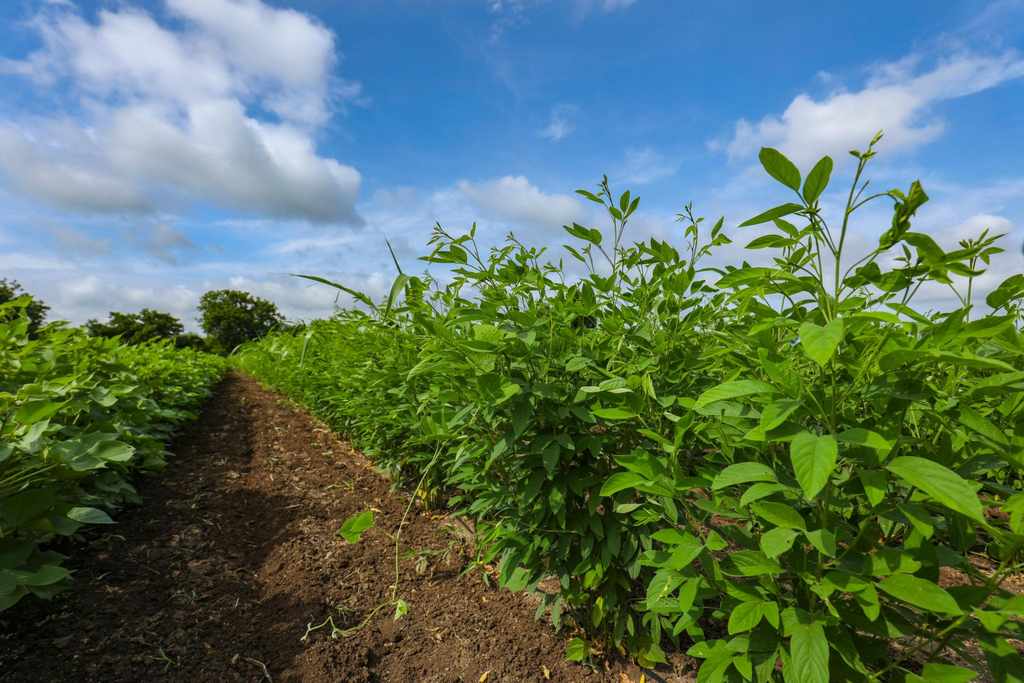
🌱 Crop Growth and Flowering Stage
When the pigeon pea plants have developed sufficiently and flowering is beginning, regularly visit the field and monitor the crop.
- Check whether the plants are showing healthy and uniform growth.
- Observe the leaf color and overall plant health.
- Monitor the beginning of flowering, number of flowers, and the formation of young pods.
- If any plants or areas of the field appear weak, identify the possible cause.
- If there is excessive vegetative growth, use fertilizers carefully and according to the crop’s requirements.
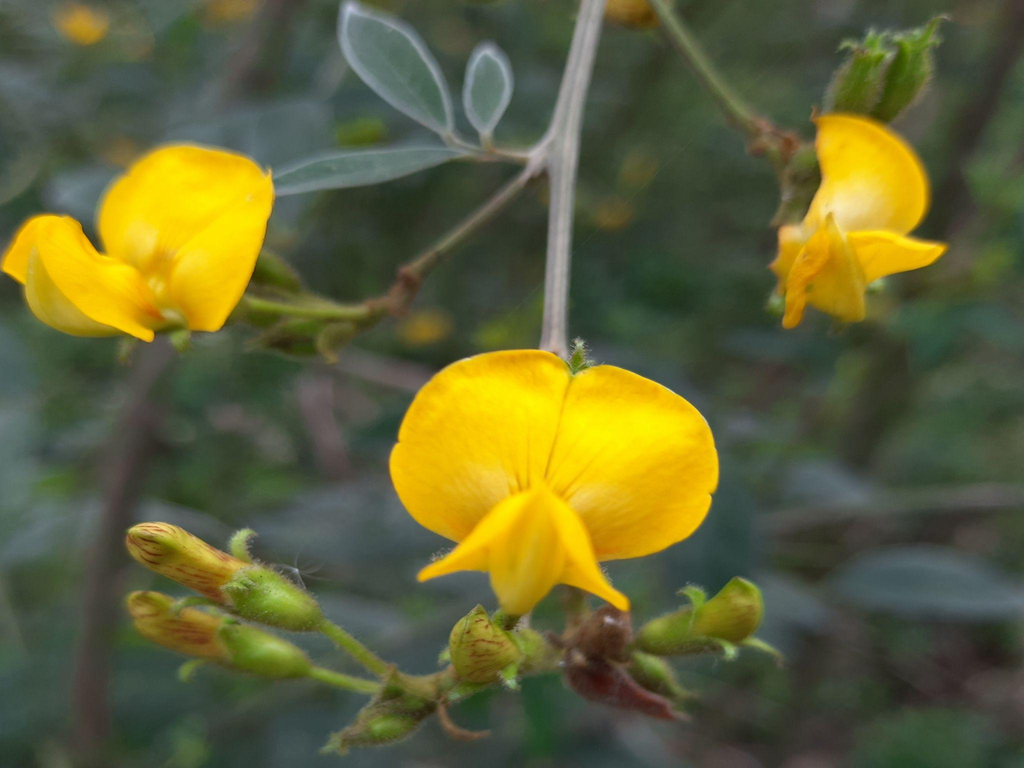
💧 Water Management
Maintaining adequate soil moisture is essential for the healthy growth of the pigeon pea crop. Excessive waterlogging can negatively affect root development and overall plant health.
- Ensure that adequate moisture is maintained in the soil.
- If water accumulates in the field after rainfall, ensure proper drainage.
- If moisture deficiency persists for a longer period, arrange irrigation according to the crop’s condition and requirements.
- During the flowering and pod-setting stages, avoid both moisture stress and excessive soil moisture.
- Plan irrigation according to the soil type and rainfall conditions
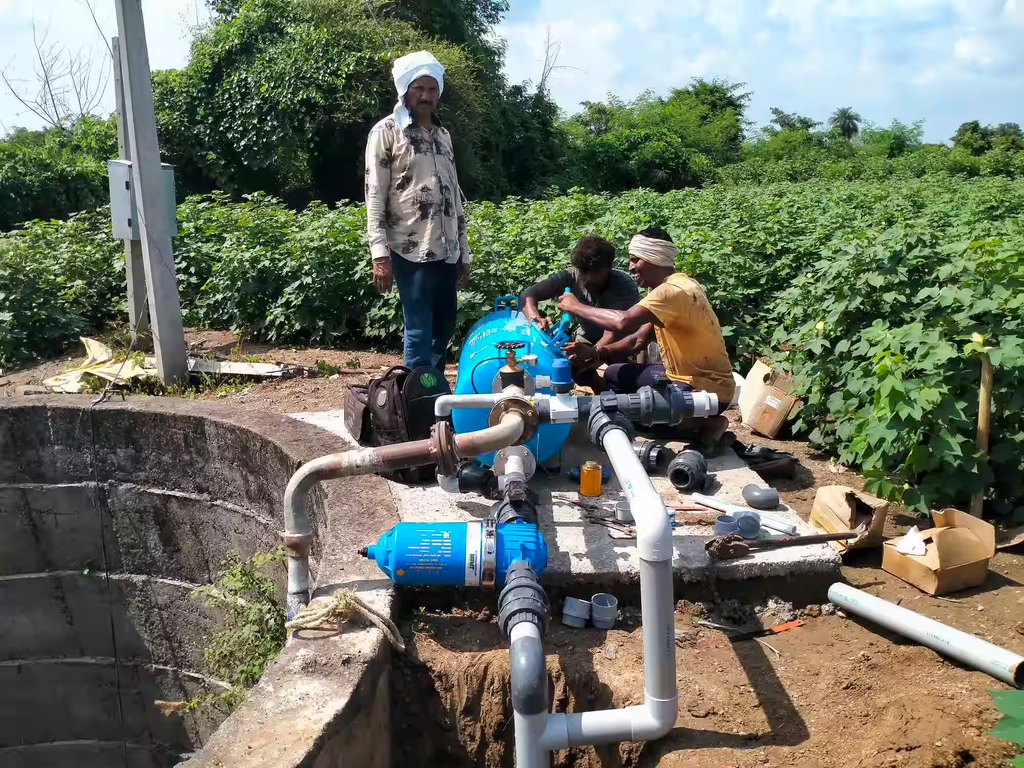
⚠️ Important Note
Irrigation in pigeon pea should be planned according to soil moisture, rainfall, and the condition of the crop. Avoid excessive irrigation.
🌾 Nutrient Management
During the flowering and pod-setting stages, it is important to provide the crop with adequate and balanced nutrition. However, it is not appropriate to assume that applying more fertilizer will necessarily result in more flowers or pods.
- Manage fertilizer application based on soil testing.
- Provide essential nutrients according to the condition and requirements of the crop.
- Avoid excessive use of nitrogen, as it may lead to unnecessary vegetative growth.
- During the flowering and pod-setting stages, determine the requirement for potassium and other nutrients based on the crop’s condition.
- If symptoms of micronutrient deficiency are observed, seek advice from an agricultural expert.
- Before applying any nutrient solution as a foliar spray, consider the crop stage and prevailing weather conditions.
🐛.Pest and Disease Monitoring
During the flowering and early pod formation stages in pigeon pea, regular monitoring for pests is especially important. Insects that damage flowers, buds, and young pods can affect crop yield.
During regular field inspections, pay attention to:
- Holes or feeding damage on leaves.
- Damage to flowers and buds.
- Holes in young pods or the presence of caterpillars.
- Symptoms such as yellowing, curling, or drying of leaves.
- Any signs of disease on different parts of the plant.
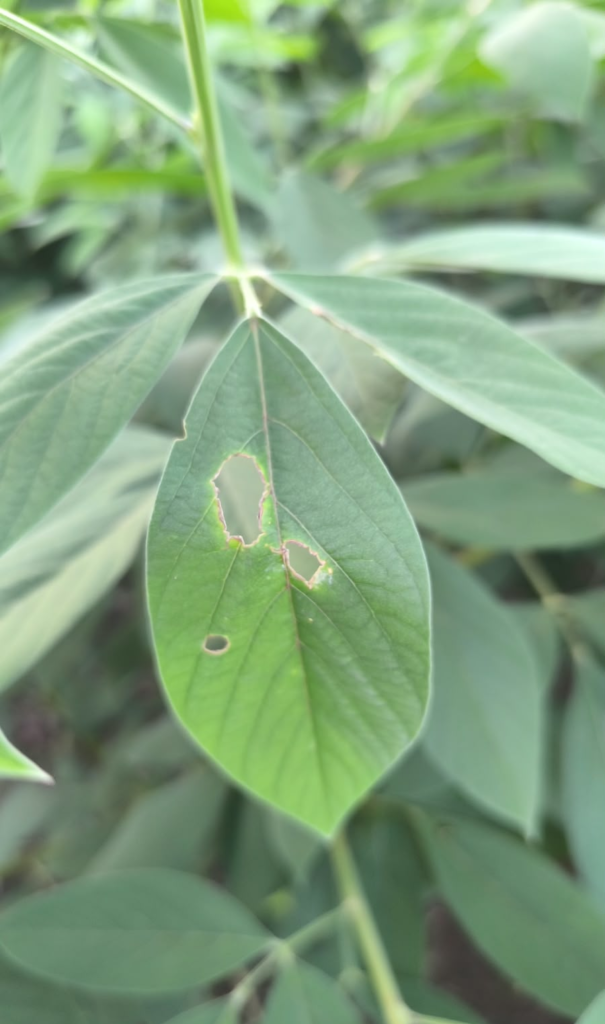
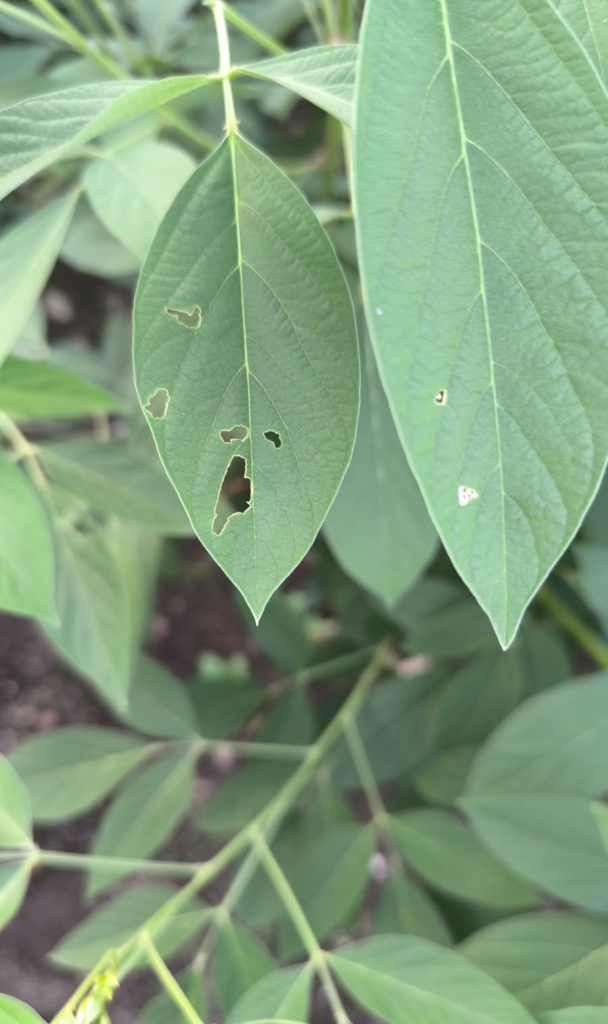
Use pesticides or fungicides only after correctly identifying the pest or disease, and always follow the product label instructions and crop-specific recommendations. Avoid unnecessary spraying.
📋 Field Monitoring Checklist for Farmers
What should be checked in the field?
- 🌱 Crop growth and leaf color
- 🌼 Condition of flowers and young pods
- 💧 Soil moisture and water drainage
- 🐛 Signs of pests and diseases
- 🌾 Fertilizer and nutrient requirements
- 🌦️ Crop management planning according to weather conditions
✅ Conclusion
For better flowering and healthy pod formation in pigeon pea, maintaining proper soil moisture, balanced nutrition, timely monitoring of pests and diseases, and crop management according to weather conditions are essential. Taking appropriate measures at the right time based on the crop’s condition helps maintain overall crop health.
“For more flowers and better pod formation in pigeon pea — proper nutrition, adequate moisture, and timely crop monitoring are essential.” 🌱
Atur Agri Limited / 99987 56798