


1️⃣ Water Management 💧
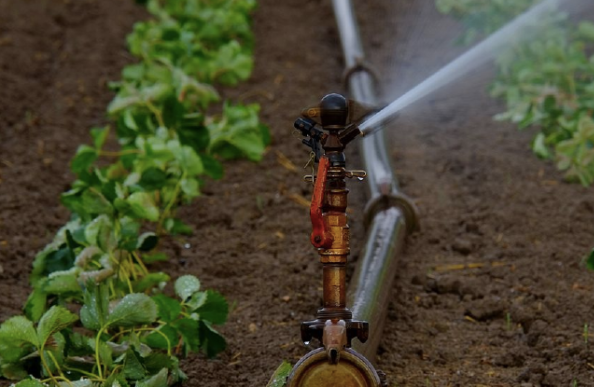
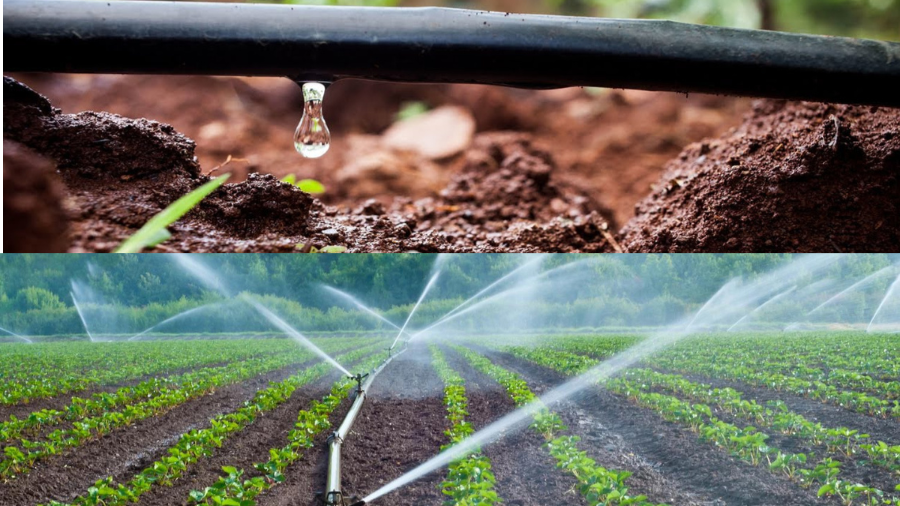
- It is important to maintain adequate moisture in the soil.
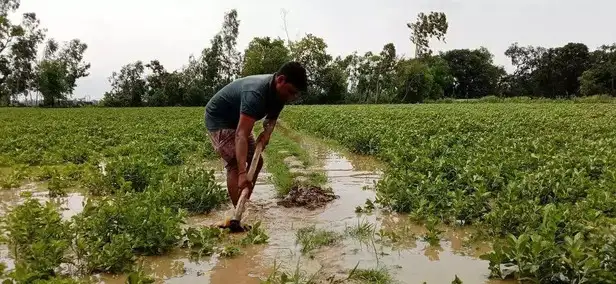
- Avoid waterlogging in the field.
- If the soil is dry, irrigate according to the crop’s requirement.
💧 1. Maintain Proper Soil Moisture
At this stage, ensure that the soil does not become completely dry. Providing adequate irrigation according to the crop’s water requirement helps support the seed-filling process.
💧 2. Irrigate Only When the Soil Is Dry
Do not provide heavy irrigation immediately just because the soil surface appears dry. Check the moisture condition inside the soil and irrigate according to the crop’s requirement. Light soils may lose moisture quickly, so they should be monitored more frequently.
💧 3. Avoid Waterlogging
If water remains standing in a groundnut field for a long period, it can reduce oxygen availability around the root zone and affect root health. Therefore, if water accumulates after rainfall or irrigation, ensure proper drainage in the field.
2️⃣ Focus on Pod & Seed Filling 🌱
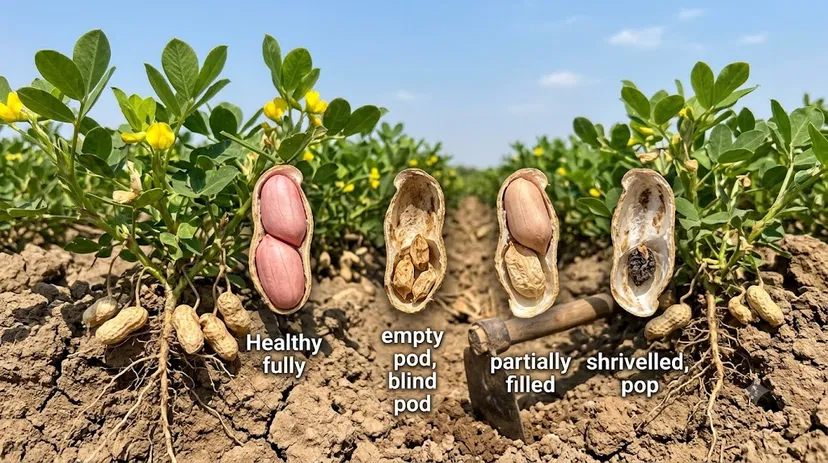
- At this stage, the crop’s nutritional requirements become very important.
- Potassium (Potash) is especially important for proper seed filling and quality.
🍃 Keep the Plant Leaves Healthy
At this stage, green and healthy leaves are very important, as leaves produce food through photosynthesis, and this food supports the seed-filling process.
Regularly monitor the crop to prevent leaf damage caused by diseases such as Tikka/Leaf Spot and Rust, as well as leaf-eating pests.
3️⃣ Disease Monitoring 🔍
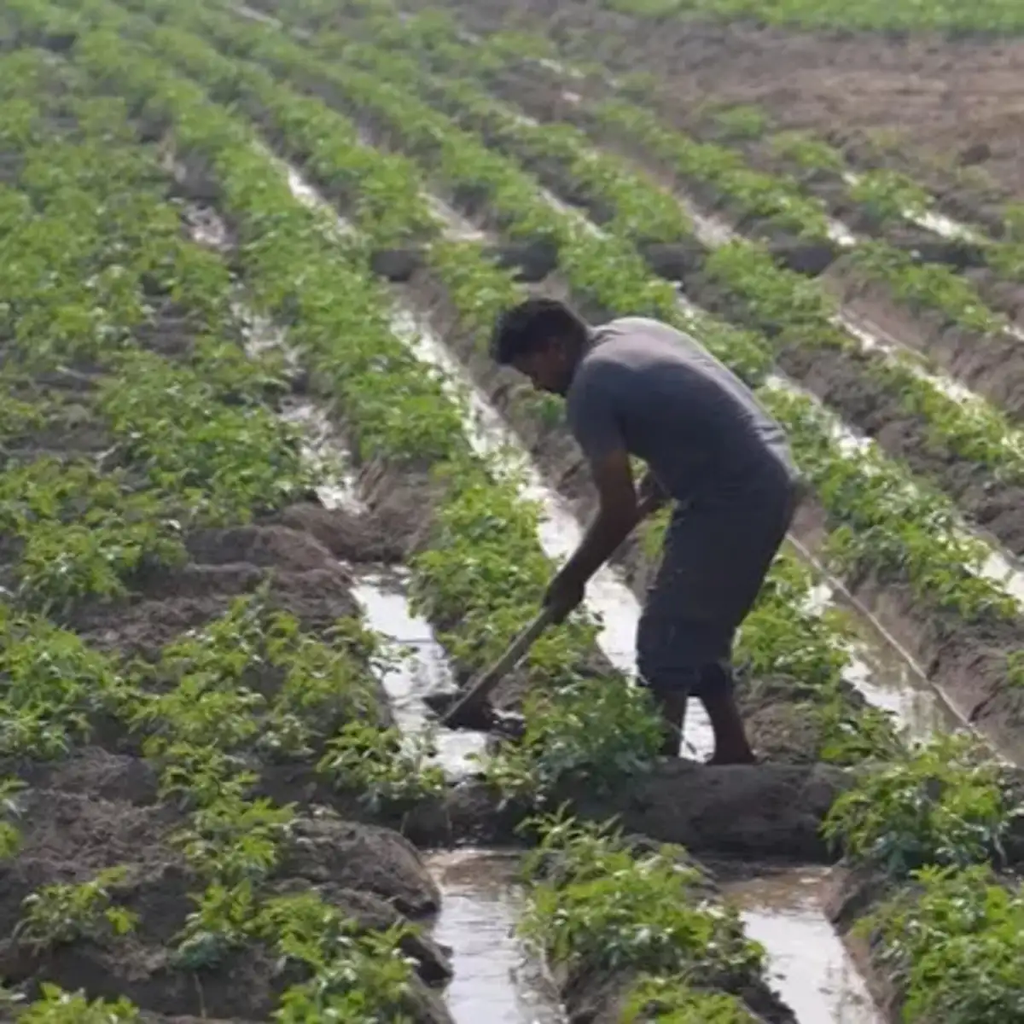
🌱 Plant Growth May Be Weakened
If water remains standing in the field for an extended period, it can cause problems such as yellowing of leaves, slow plant growth, or weak-looking plants.
Such plants may not be able to produce and transport the food required for proper seed filling efficiently.
🥜 Effect on Pod and Seed Filling
During the seed-filling stage, it is very important for the plant to remain healthy. If waterlogging reduces root activity and causes stress to the plant, the seed-filling process inside the pods may be affected.
As a result, seed size and seed weight may decrease.
🦠 Risk of Root and Collar Diseases May Increase
Continuous moisture and waterlogging in the field can create favorable conditions for the development of various diseases in the roots and collar region of the plant.
Therefore, it is important to monitor the condition of the field after waterlogging and take appropriate measures if any symptoms are observed.
4️⃣Avoid Excessive Irrigation at Once
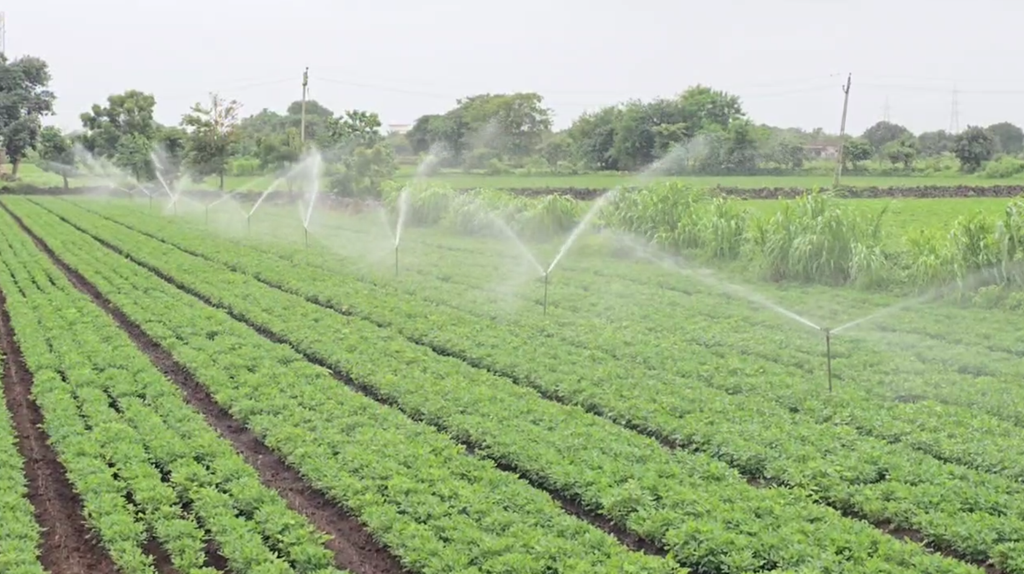
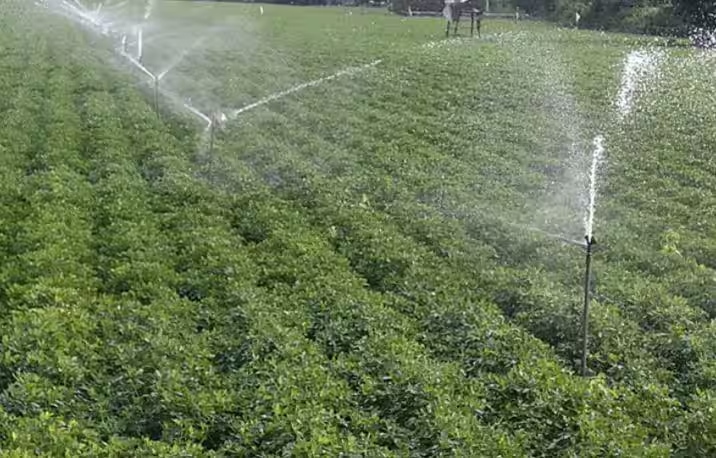
Providing more water than the crop requires may cause harm instead of benefiting the crop. While irrigating, consider the soil type, weather conditions, rainfall, and the current condition of the crop.
💧 5. Consider the Weather Forecast 🌧️
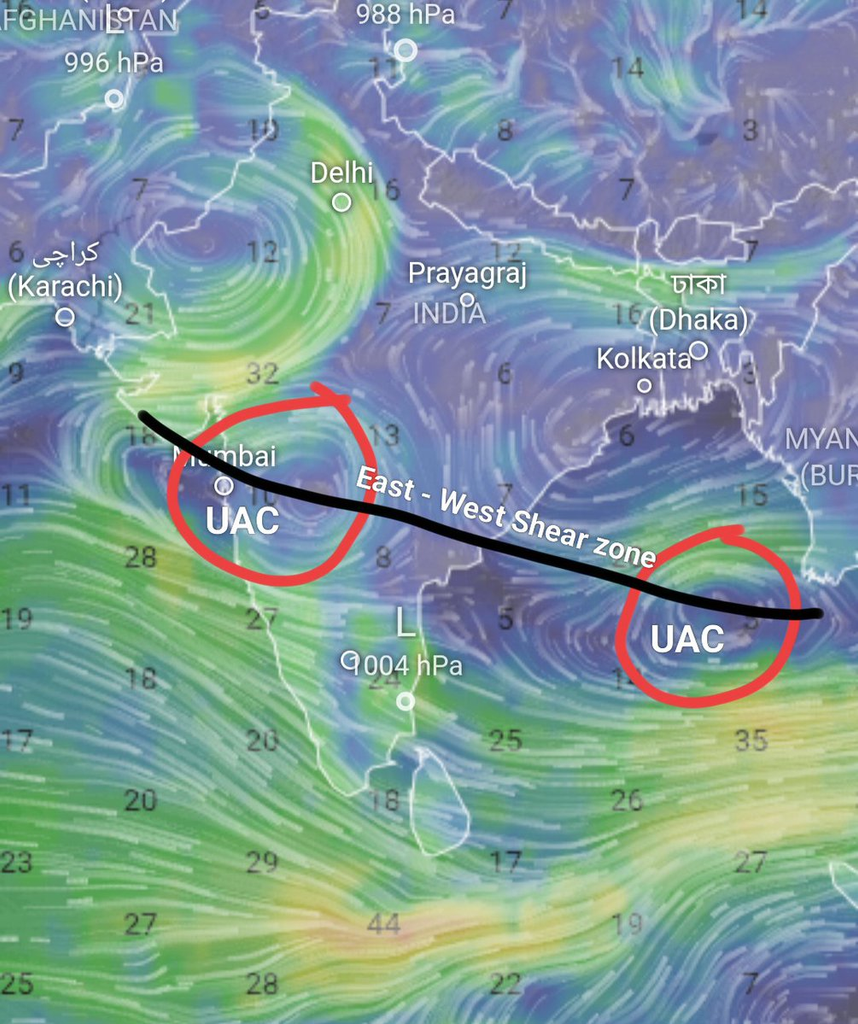
If rain is expected in the coming days, avoid unnecessary irrigation. After rainfall, carefully check whether water is accumulating or remaining standing in the field.
🌱 Important to Remember
“In groundnut, avoid both under-irrigation and over-irrigation — provide the right amount of water at the right time according to the crop’s requirements.”
Atur Agri Limited
Quality Seeds • Scientific Agricultural Guidance • Continuously Working for Farmers’ Prosperity
HELPLINE NUMBER / 99987 56798