


Groundnut collar rot (Collar Rot Disease) is an important fungal disease that affects the crop. 🌱
🍂 Collar Rot Disease in Groundnut
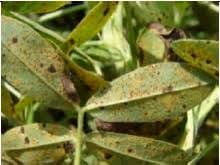
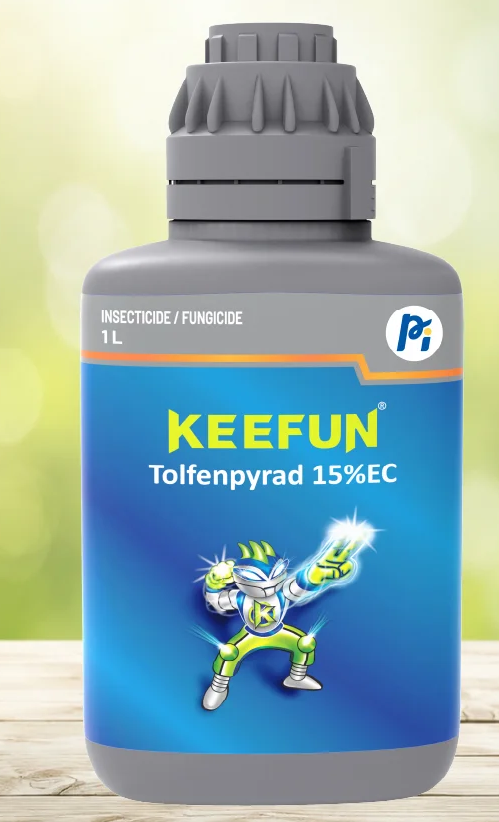
Cause of the Disease: It is generally associated with the fungus Aspergillus niger.
🔍 Main Symptoms
- Blackish-brown rotting is observed at the collar region of the stem near the soil surface.
- Black fungal growth or fungal spores may be visible around the collar region.
- The leaves of affected plants turn yellow and start wilting.
- Plant growth is stunted, and in severe cases, the entire plant may dry up.
- Young plants can be affected more rapidly and severely.
🌧️ Factors Favoring Disease Development
- Excessive moisture in the soil or poor drainage
- Continuous rainy and humid weather conditions
- Spread of the fungus through seeds or soil
- Use of poor-quality or diseased seeds
⚠️ Important: Instead of deciding on a treatment based solely on symptoms, ensure proper disease identification and use pesticides only according to the product label and local agricultural recommendations, based on the condition of the crop.
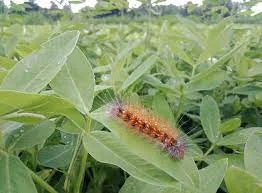
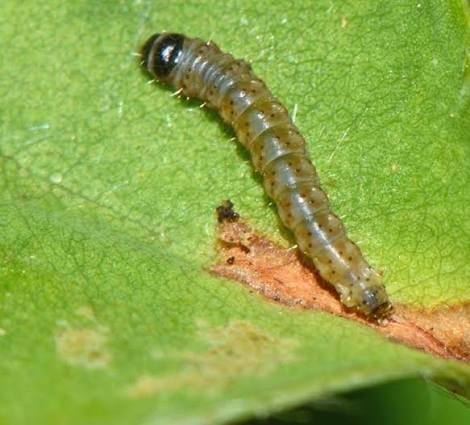
Information about caterpillars (larvae) affecting groundnut crops: 🌱
🐛 Main Symptoms
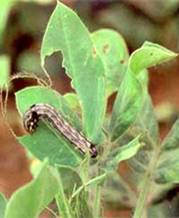
- Small holes begin to appear on the leaves.
- The caterpillars feed on the leaves, reducing the green leaf area.
- Under severe infestation, the plant may become almost completely defoliated.
- Young caterpillars are usually found hiding on the underside of leaves or inside the plant canopy.
- Severe infestation can affect plant growth and yield.
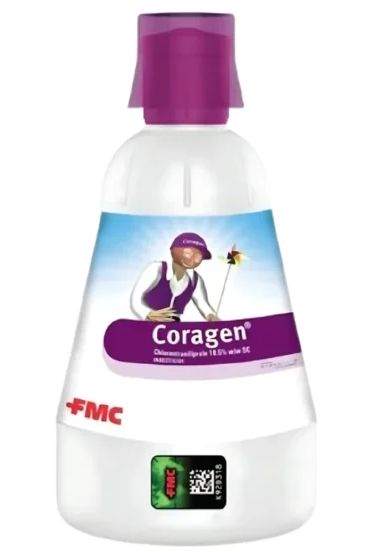
🌧️ Factors Favoring Caterpillar Infestation
- Warm and humid weather conditions
- Continuous presence of green crops in the field
- Lack of regular field monitoring
- Failure to identify caterpillar infestation at an early stag
⚠️ Important: Instead of deciding on a treatment based only on symptoms, ensure accurate identification of the disease and use pesticides only according to the product label and local agricultural recommendations, considering the condition of the crop.
Atur Agri Limited
An agricultural company committed to quality seeds, farmer guidance, and better crop yields. 🌱🧑🌾
- CONTACTS NO: 99987 56798