


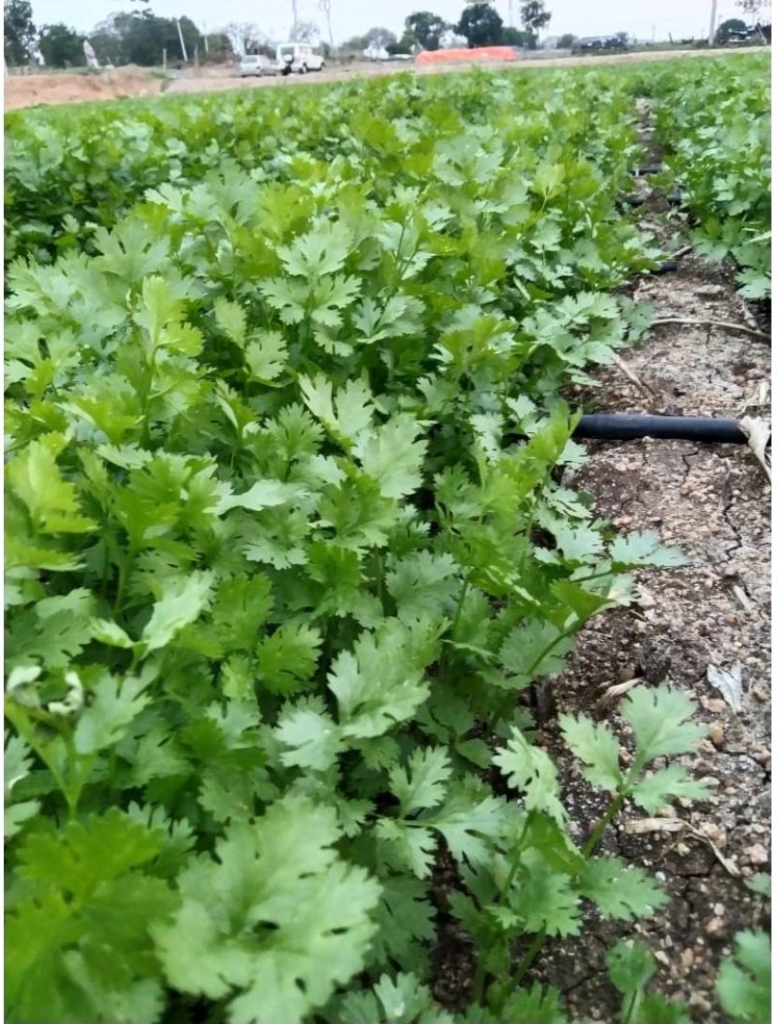
Coriander is an important spice crop grown during the Rabi season. It is used both as fresh coriander (leaves) and dried coriander (seeds). In Gujarat, coriander is cultivated in several regions, including Saurashtra. Proper soil selection, timely sowing, irrigation, fertilizer management, and effective control of diseases and pests help ensure healthy crop growth and quality production.
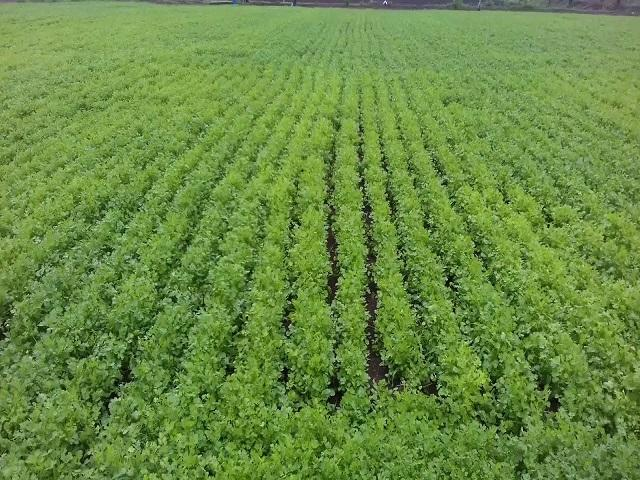
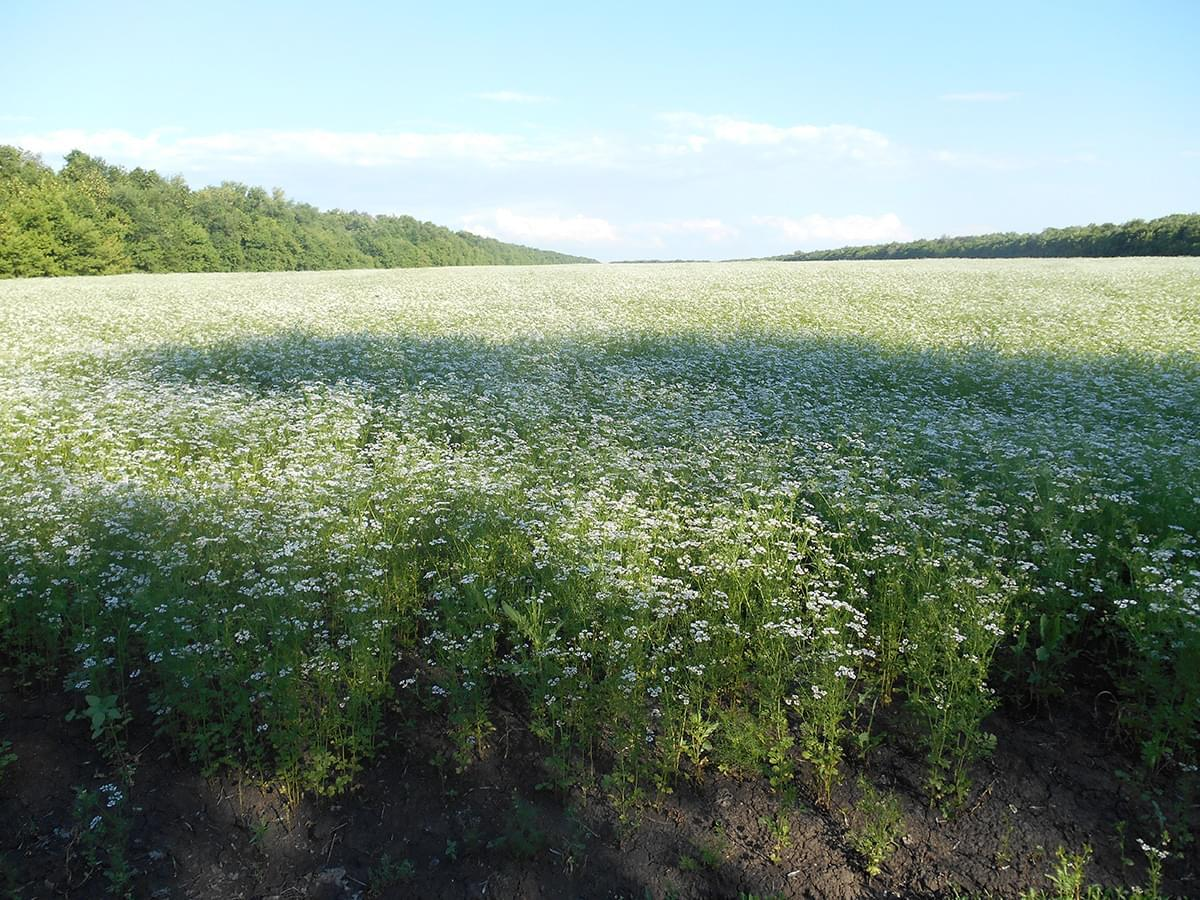
Sowing Time
In Gujarat, coriander is generally sown during the Rabi season, from October to November. The sowing period may vary depending on the region, soil type, moisture conditions, and weather.
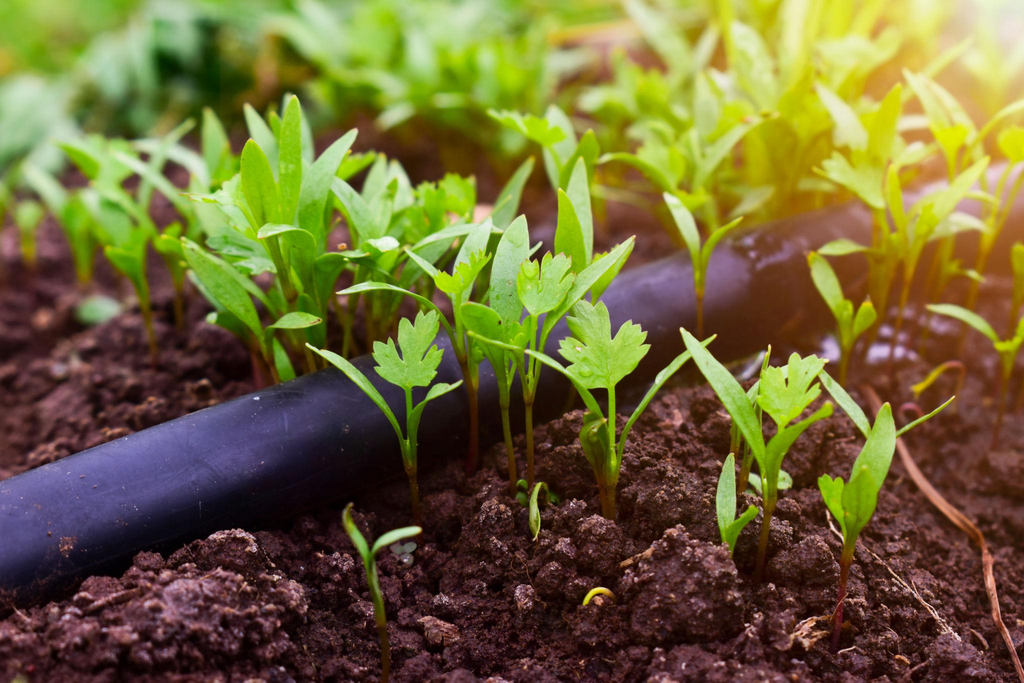
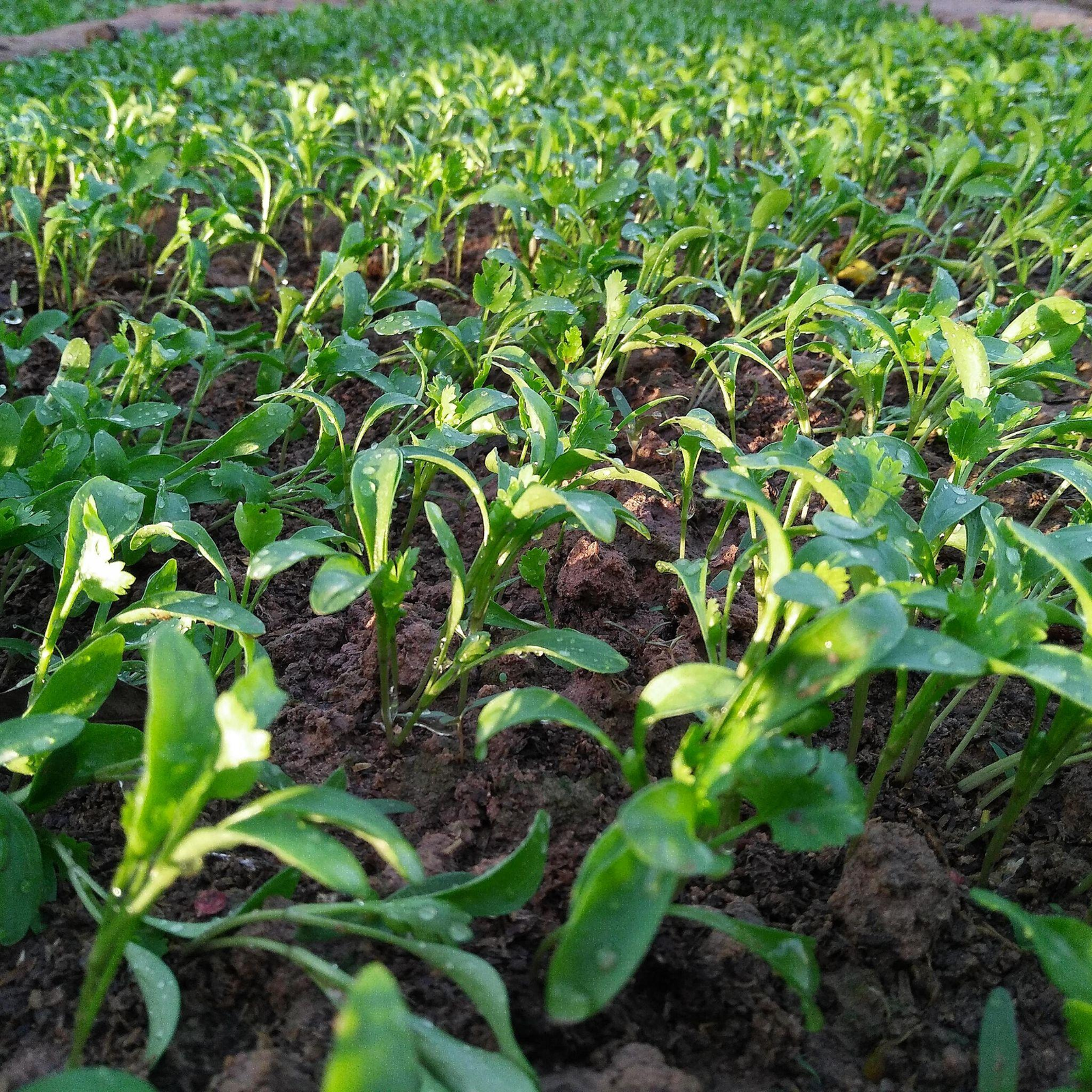
Seed Selection and Sowing Method
- Select certified and good-quality seeds.
- Before sowing, coriander seeds can be gently split into two halves to help improve germination.
- Line sowing is a more suitable method.
- Maintain a spacing of approximately 25–30 cm between two rows.
- Avoid sowing seeds too deep.
- Seed treatment should be carried out according to local agricultural recommendations.
According to the recommendations of Junagadh Agricultural University, the use of certified seeds, proper seed treatment, avoiding excessive irrigation, and selecting disease-resistant or tolerant varieties are important for successful coriander cultivation.
Irrigation Management
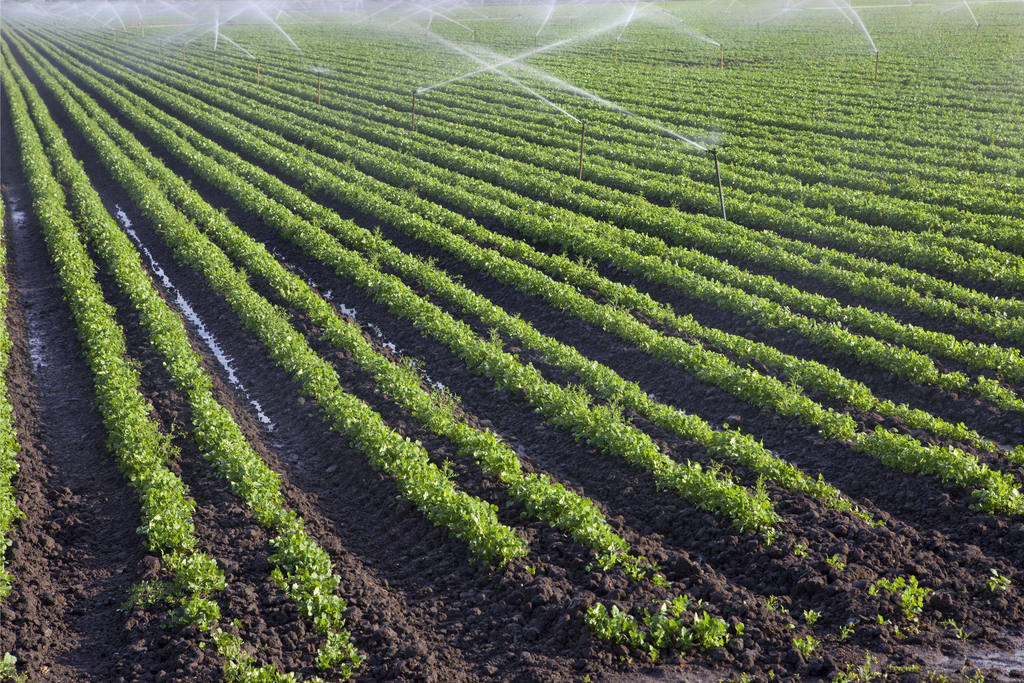
Proper irrigation is essential for coriander cultivation, depending on soil moisture and the growth stage of the crop.
- Maintain adequate soil moisture after sowing to ensure proper germination.
- Avoid moisture deficiency during the early growth stage of the plants.
- Provide irrigation as required during the vegetative growth and flowering stages.
- Ensure that the crop does not suffer from moisture stress during seed formation.
- Excessive irrigation may cause waterlogging in the soil and increase the risk of diseases.
Fertilizer Management
Fertilizers should be applied to the coriander crop according to soil test results and the nutritional requirements of the crop.
- Apply well-decomposed farmyard manure before sowing.
- Apply phosphorus and potash at the time of sowing as per the crop’s requirements.
- Use nitrogen in the recommended quantity and according to the growth stage of the crop.
- Excessive nitrogen application may lead to excessive vegetative growth, lodging problems, and an increased risk of diseases.
The exact quantity of fertilizers should be determined based on soil type, the previous crop, and soil test results.
Message for Farmer Friends
Farmer friends, for achieving good production in coriander cultivation, timely sowing, quality seeds, balanced fertilizer application, proper irrigation, and regular monitoring of diseases and pests are very important. By providing proper crop care at every growth stage and adopting scientific farming practices, farmers can improve both the quality and yield of coriander.
Quality Seeds • Scientific Agricultural Guidance • Farmers’ Welfare
ATUR AGRI LTD./ 99987 56798