


For farmers to achieve good crop yields, it is not enough to use only quality seeds, fertilizers, and proper irrigation. Effective weed management in the field is also very important. Weeds compete with crops for water, nutrients, sunlight, and space, which can negatively affect crop growth and yield.
Weed infestation during the early stages of crop growth can create obstacles to proper plant development. Therefore, timely weed control helps crops receive sufficient nutrients and supports healthy crop growth in the field.
How Do Weeds Damage Crops?
Unwanted plants growing in the field are known as weeds. Weeds absorb water and nutrients from the soil along with the main crop. As a result, the cultivated crop may not receive sufficient nourishment, which can slow down its growth.
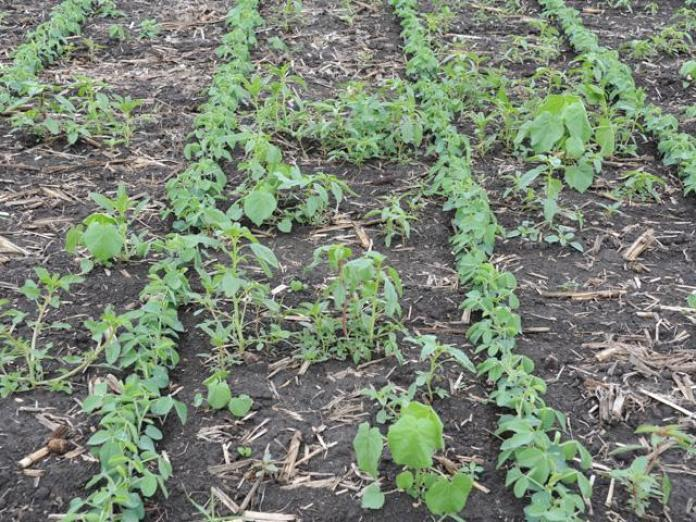
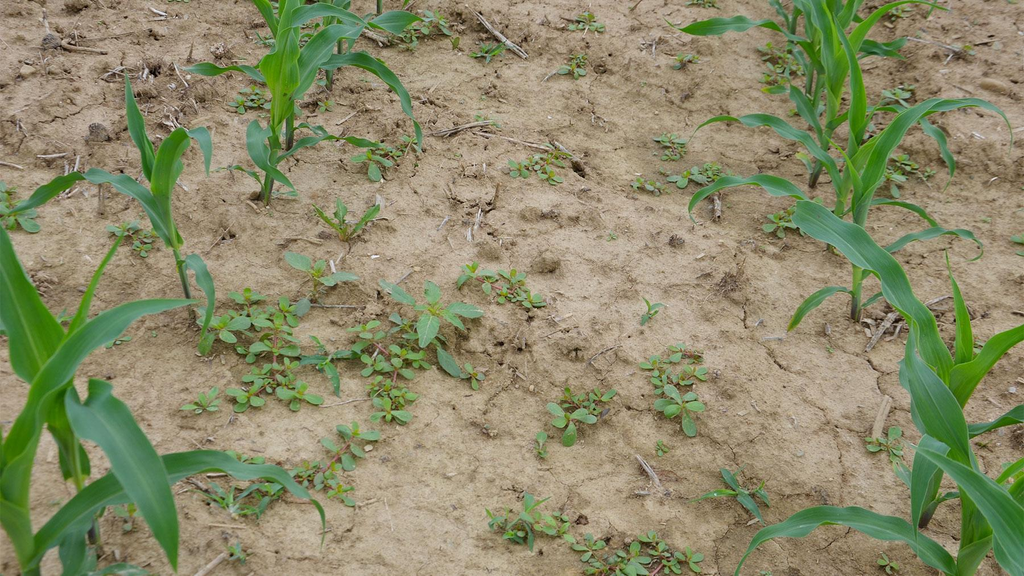
The following problems are mainly observed due to weeds:
- Weeds compete with crops for water and nutrients.
- The amount of sunlight reaching the crops may decrease.
- Early crop growth may become weak.
- Some weeds can act as hosts for pests and diseases.
- Excessive weed growth can create difficulties during harvesting and other agricultural operations.
- Heavy weed infestation can negatively affect crop yield and quality.
Importance of Proper Timing for Weed Control
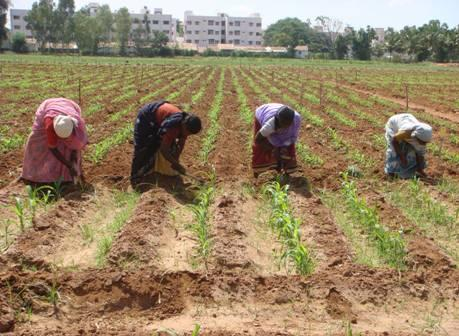
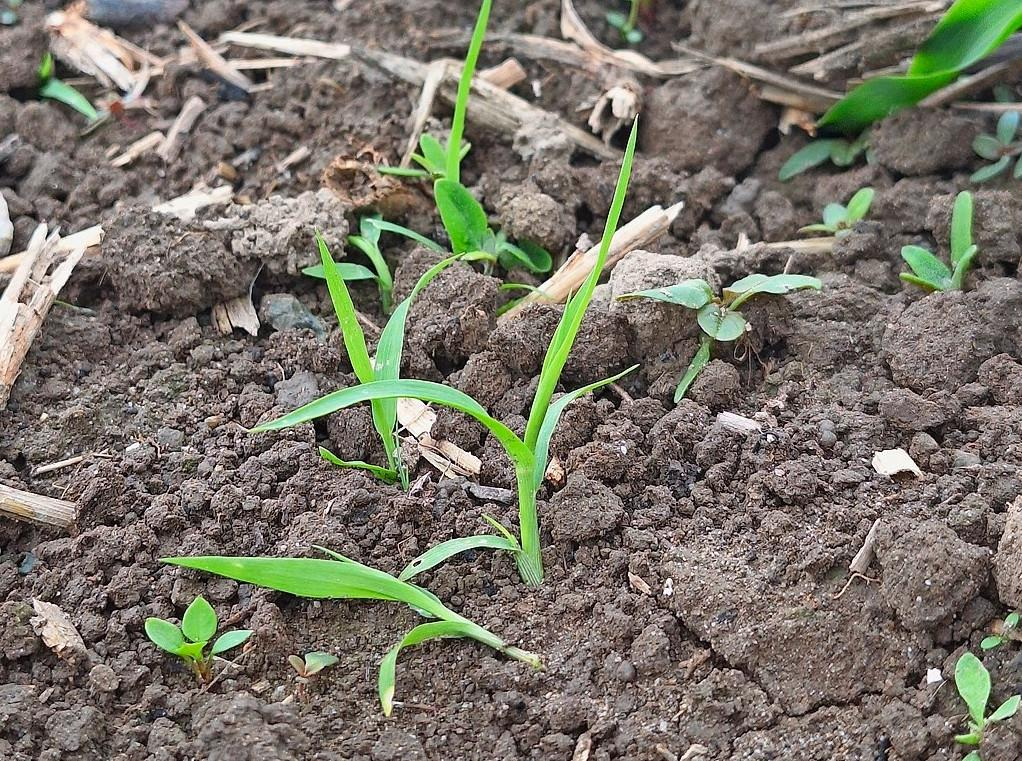
Choosing the right time for weed control is very important. During the early stages of crop growth, weeds grow rapidly and compete with crops for essential resources. Therefore, weeds should be removed at the right time by considering the crop growth stage, type of weeds, and soil moisture conditions.
Generally, weeds are easier to remove when they are small and tender. Once weeds become larger or reach the seed-producing stage, controlling them can become more difficult.
3. Main Methods of Weed Control
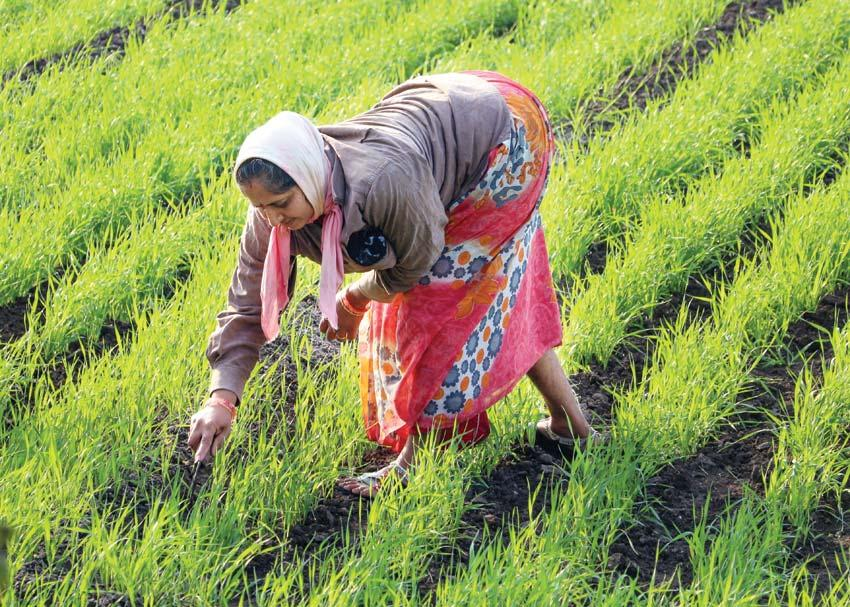
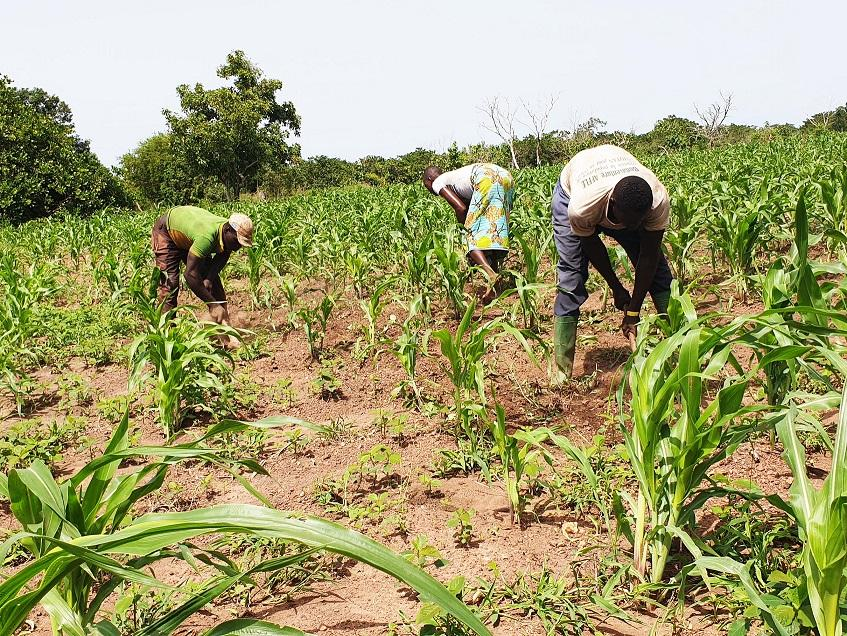
1. Manual Weed Removal
In small fields or between crop rows, weeds can be removed manually or with the help of suitable tools. Special care should be taken to avoid damaging the crop plants during this process.
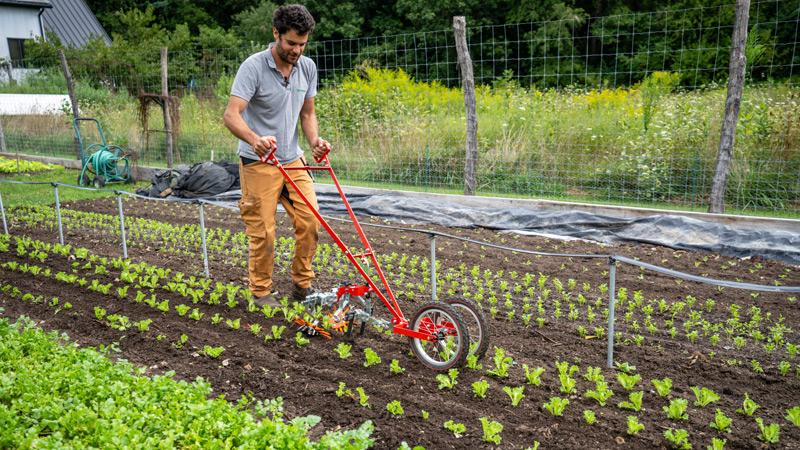
2. Weed Control Through Intercultivation
Intercultivation using suitable tools between crop rows helps loosen the soil and remove small weeds. However, it should be carried out according to the crop growth stage and soil conditions to avoid damaging the crop roots.
3. Mulching Method
Using suitable mulch around crops can help reduce weed emergence in the field. Mulching can also help maintain soil moisture.
4. Chemical Weed Control
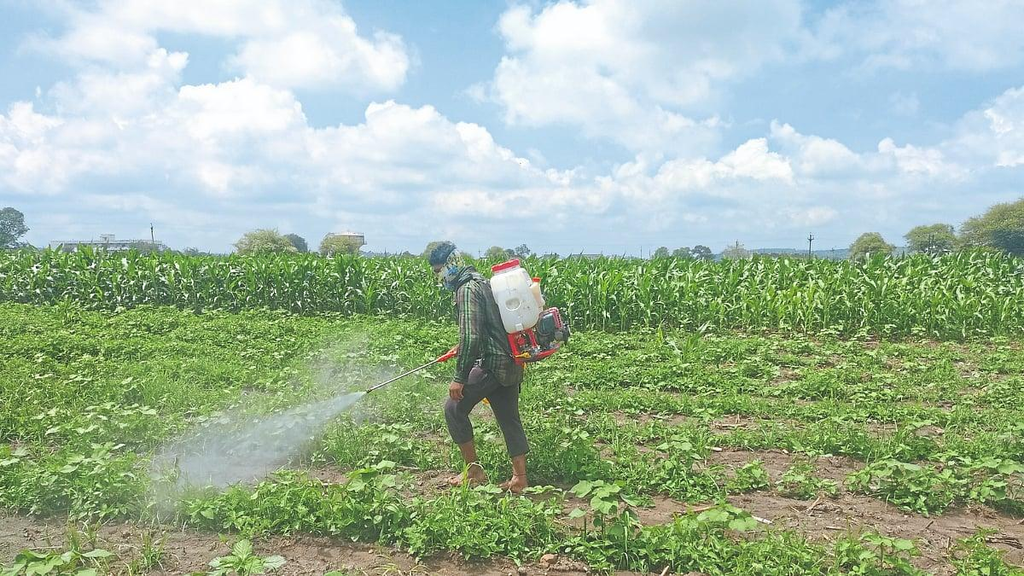
Herbicides are used in some crops to control weeds. However, not every herbicide is suitable for every crop. Herbicides should be used only according to the crop, type of weeds, recommended application stage, and instructions mentioned on the product label.
A Message to Farmers from Atur Agri Limited
Dear Farmers, proper crop management at every stage of growth is essential for achieving good agricultural yields. Choose the right time for weed control, regularly inspect your fields, and adopt scientific farming practices suitable for your crops.
Timely weed control is an important step towards healthy crop growth and success in agriculture.
Adopt Scientific Farming • Manage Crops Properly • Move Towards Agricultural Progress