


When should cumin be sown, at what temperature should it be sown, and what precautions should be taken after sowing?
Hello, Farmer Friends! 🌱
1. In Gujarat, the period from late October to November is generally suitable for cumin sowing.
2. Sowing during the first fortnight of November is suitable in many areas. However, the ideal sowing time may vary depending on the soil, local weather conditions, and variety.
3. Before sowing, ensure that the soil has adequate moisture and that the field is well-drained, with no waterlogging.
What Temperature Is Required for Cumin Sowing?
Cool and dry weather is generally suitable for cumin cultivation.
The temperature requirements for cumin depend on soil conditions, moisture levels, and the growth stage of the crop. A single specific temperature cannot be considered suitable for every region.
Cumin generally thrives in cool weather with low humidity. Excessive moisture, frequent rainfall, and hot weather can affect crop growth and increase the risk of diseases.
What Should Be Taken Care of After Sowing?
1. Irrigation Management
After sowing, provide light irrigation to ensure that the seeds receive adequate moisture for germination. Keep the water flow gentle to prevent seeds from accumulating in one place. Avoid waterlogging in the field.
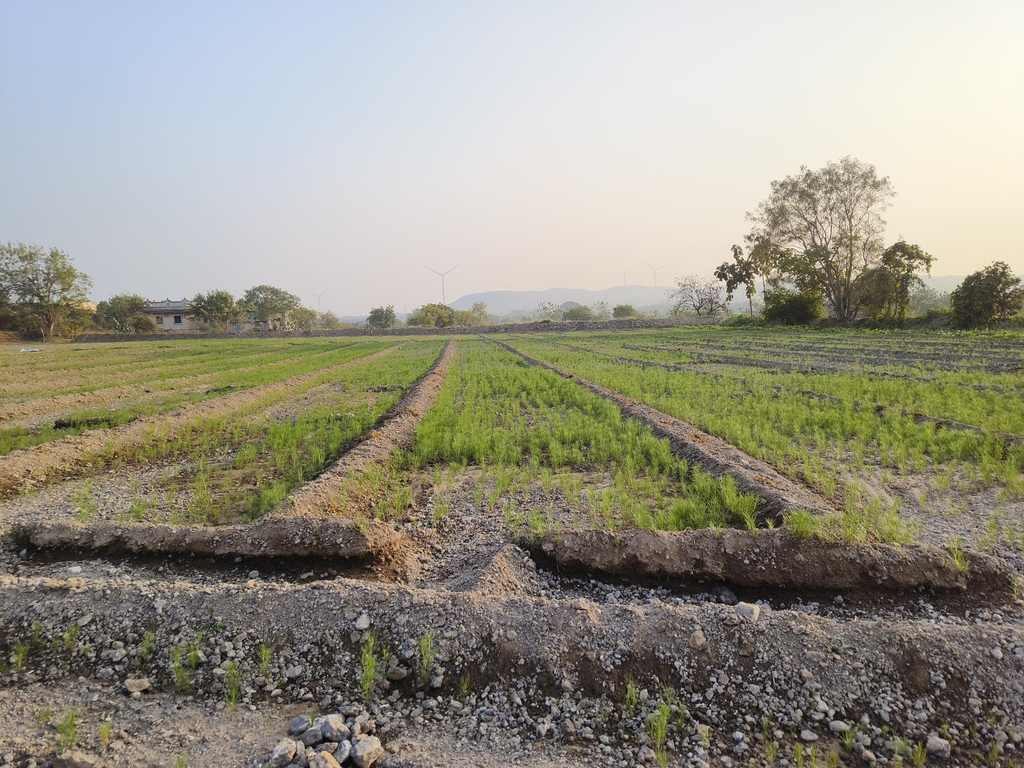
2. Germination Monitoring
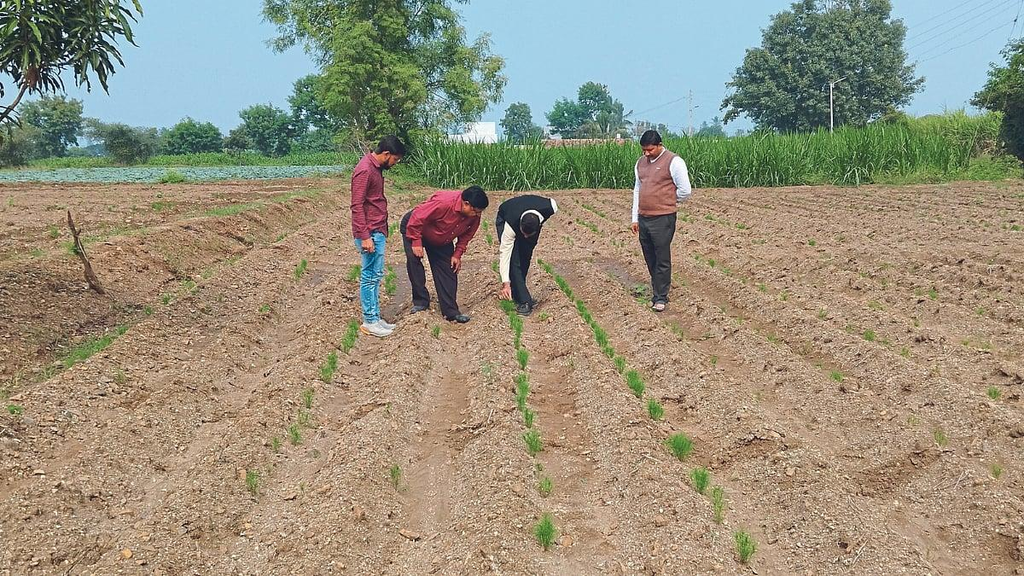
Visit the field regularly after sowing. Check whether the seedlings are emerging uniformly across the field. Identify the reasons for poor germination in areas where plant emergence is low and take corrective measures as needed.
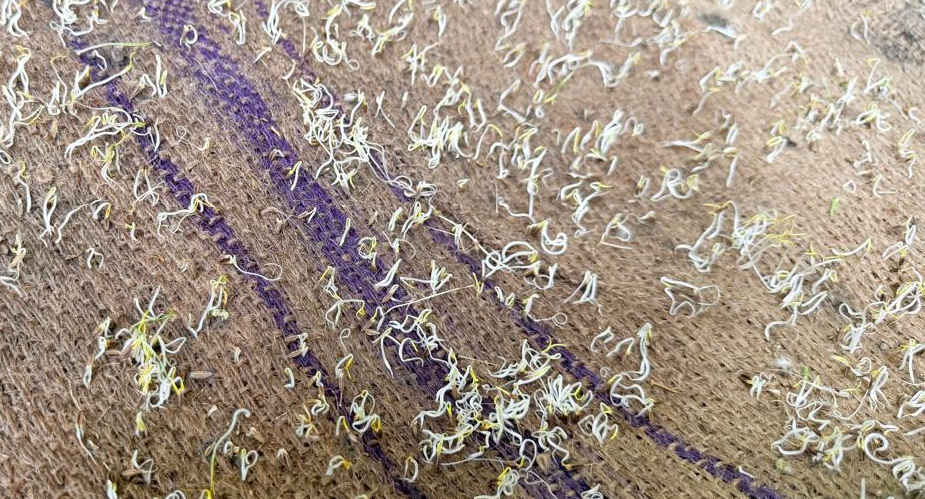
3. Avoid Waterlogging
Maintain proper drainage to reduce the risk of wilt and fungal diseases in cumin. Avoid excessive irrigation and ensure that water does not accumulate in the field.
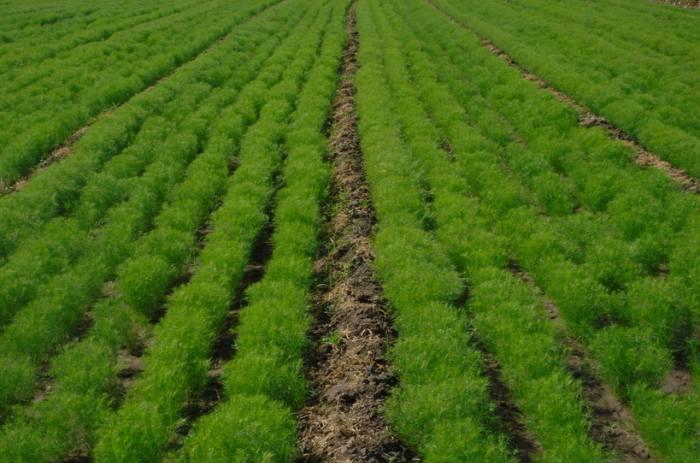
4. Monitor Diseases and Pests
Regularly inspect the crop for symptoms of wilt, leaf spots, powdery mildew, and pest infestations. If any symptoms appear, identify the problem correctly before applying the recommended pesticides or fungicides.
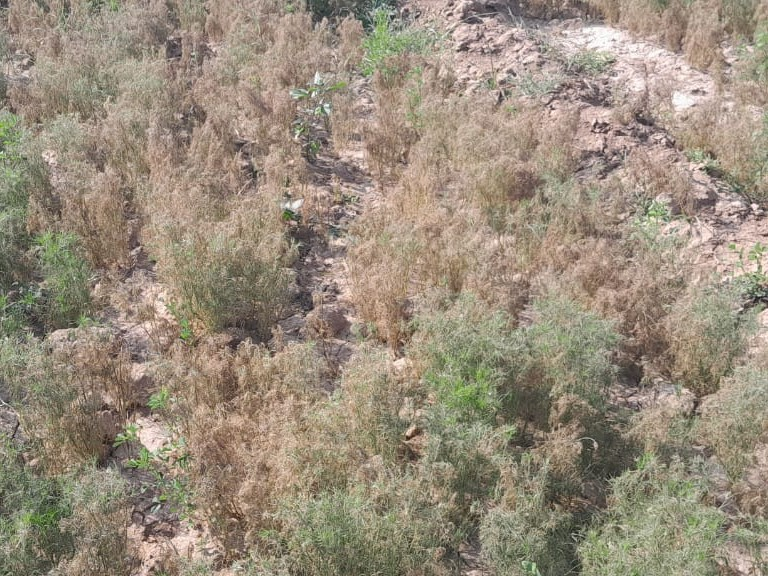
5. Fertilizer and Weed Management
Apply fertilizers according to soil test results and the crop’s nutrient requirements. Avoid excessive nitrogen application and control weeds from the early stages of crop growth.
4. When Should Cumin Be Irrigated?
The timing of irrigation in cumin depends on the soil type, weather conditions, and crop growth stage. According to SDAU guidelines, irrigation is recommended in some soil types at sowing, 8–10 days after sowing, and then at approximately 30 and 45–50 days after sowing. This schedule should be adjusted according to the conditions in your field.
Special Precaution: Avoid unnecessary irrigation when the soil is already moist or when there is heavy dew and cloudy weather.
Atur Agri Limited Quality Seeds • Scientific Agricultural Guidance • Farmers’ Welfare
📞 For More Information, Contact: 9998756798