


Cumin is an important spice crop for farmers in Gujarat. Selecting suitable seeds, sowing at the right time, and following scientific farming practices are essential for successful cumin cultivation.
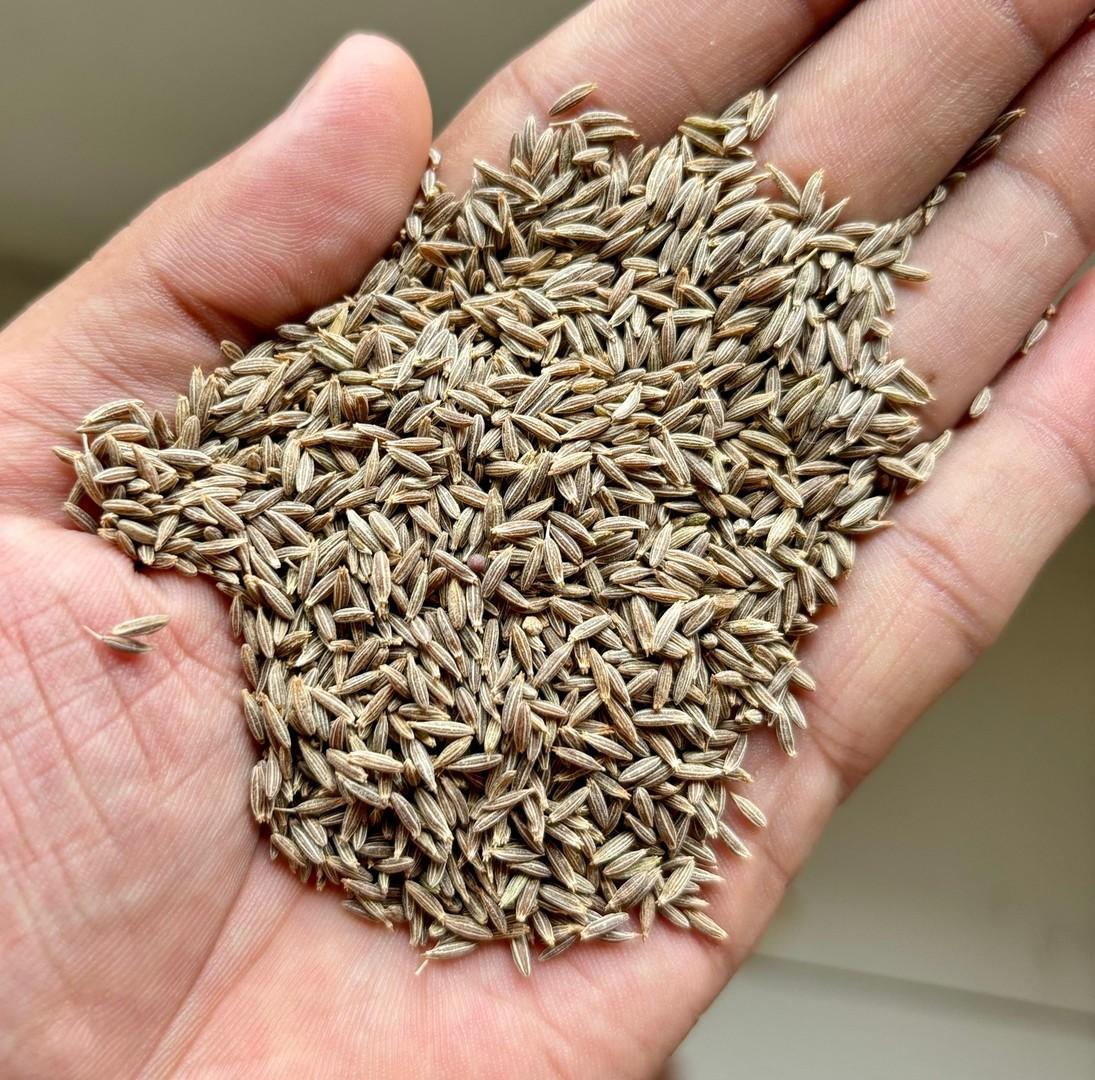
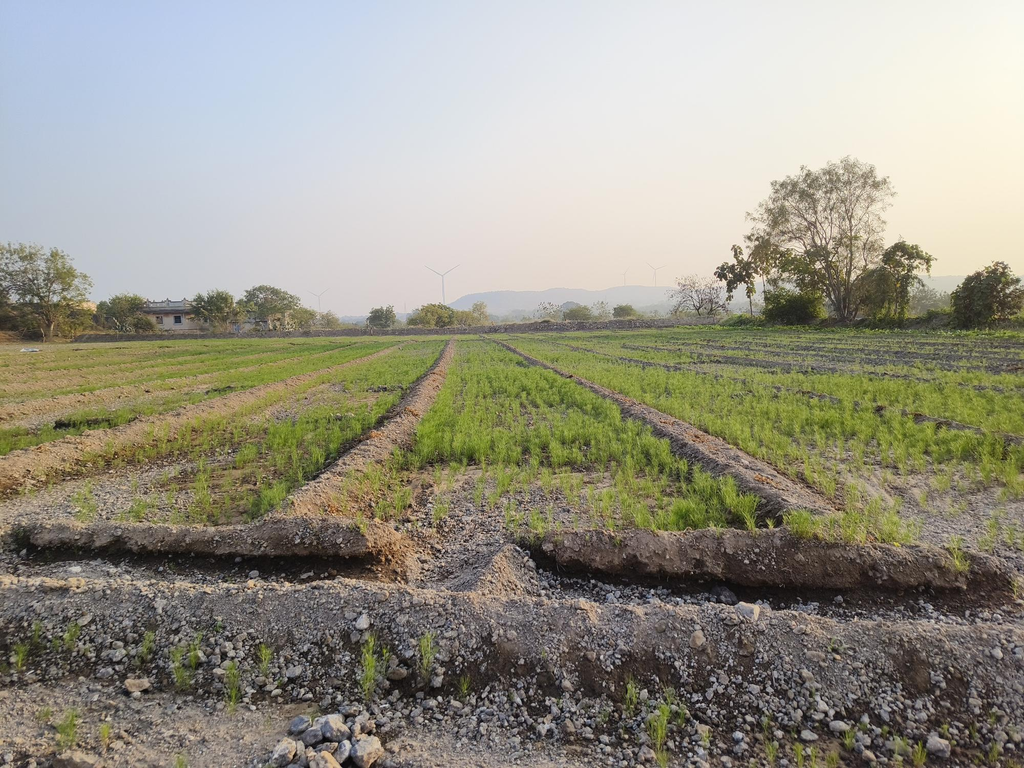
How to Check Seed Quality Before Sowing
Dear farmers, keep the following points in mind to ensure good germination in cumin cultivation.
- Purity: Seeds should be free from seeds of other crops, debris, and unwanted materials.
- Germination Capacity: Obtain reliable information about the germination rate of the seeds before sowing.
- Packaging and Labeling: Check the variety name, batch number, packaging details, and germination information.
- Storage: Store seeds under suitable conditions, away from moisture and direct sunlight.
- Seed Treatment: If the seeds have already been treated, read the label carefully before carrying out any further treatment.
Important Points to Consider When Sowing Atur 777 Cumin Seeds
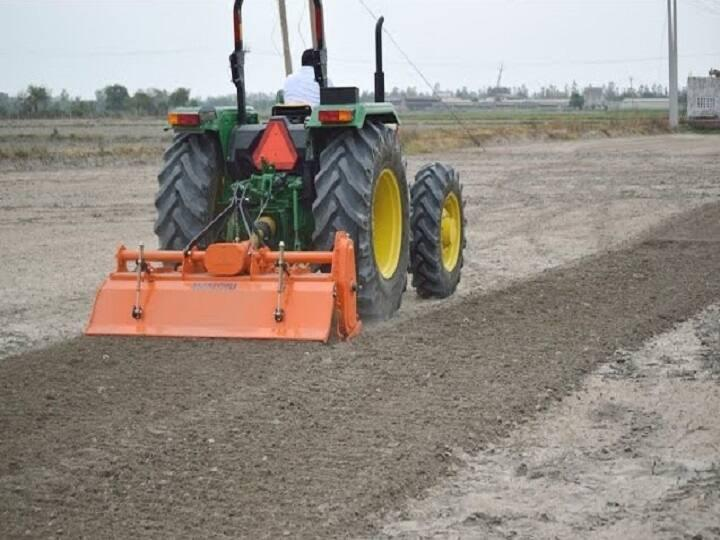
Soil Preparation
Level the soil and prepare a fine, friable seedbed. Avoid conditions that may lead to waterlogging in the field.
Suitable Sowing Time
Cumin is generally sown from late October to November. Determine the sowing time based on local weather conditions and the advice of agricultural experts. A study by Junagadh Agricultural University reported benefits in germination and early plant growth when sowing was carried out in the third week of November.
Germination Monitoring
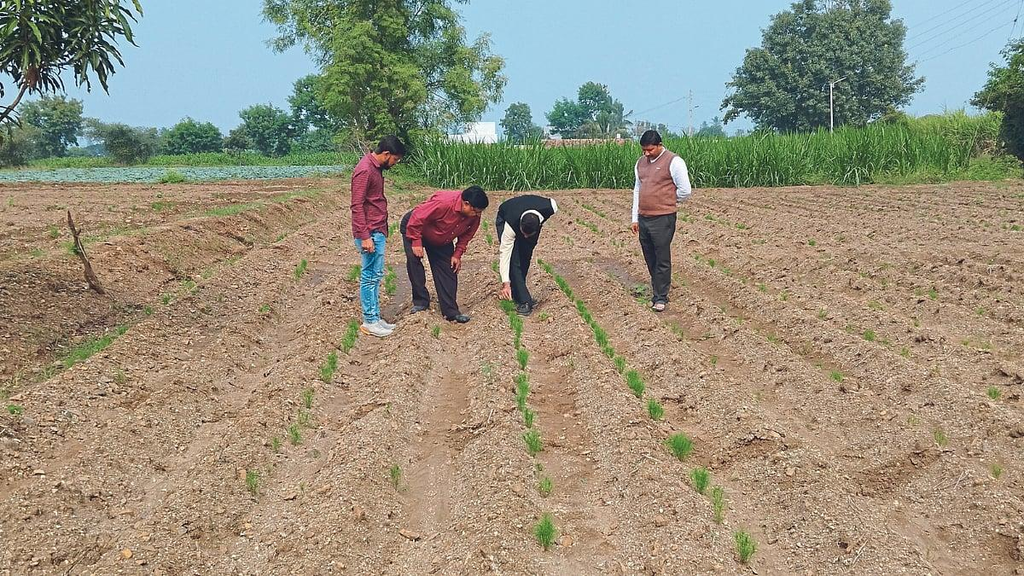
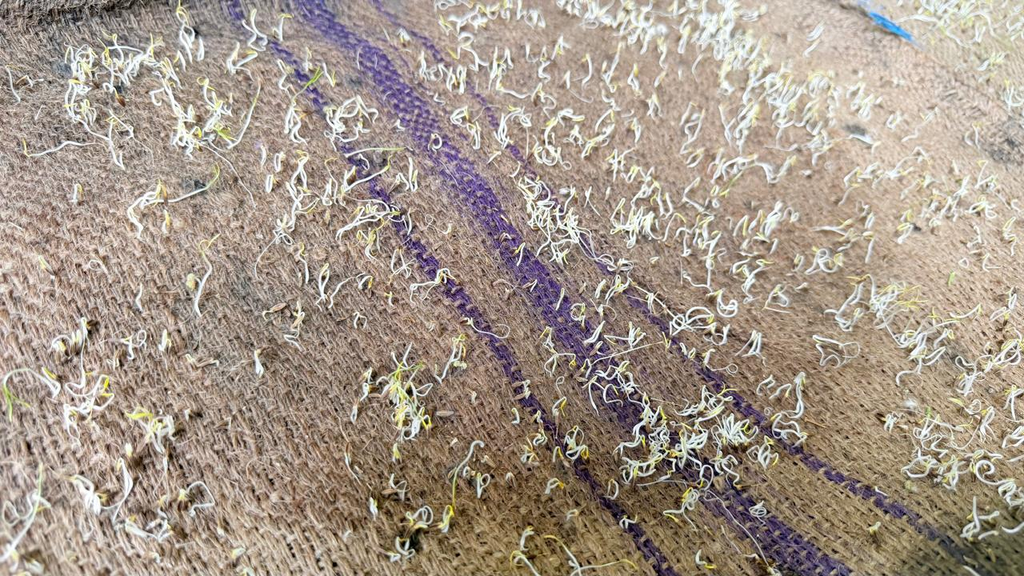
After sowing, check seed germination and plant population in the field. If germination is uneven, identify the cause and seek appropriate advice.
Which Diseases Should Be Monitored in Cumin Crops?
Cumin crops may be affected by diseases such as wilt, powdery mildew, and blight. Regularly inspect the field, and consult an agricultural expert if disease symptoms appear. Before making any claims about disease resistance, reliable evidence specific to the variety should be verified.
Special Advice for Farmers
For successful cultivation, remember these five important points:
- Choose quality seeds.
- Sow at the right time.
- Maintain adequate soil moisture.
- Provide balanced nutrition.
- Inspect the crop regularly.
Remember, quality seeds are the foundation of a good start, but crop yield also depends on weather conditions, soil quality, farming practices, and proper crop management.
For more information about seed selection and availability for cumin sowing, contact Atur Agri Limited.
Website: aturagri.com