


Dear Farmers, the right sowing time, suitable soil, proper moisture, and effective crop management practices are very important for a good start and better yield in chickpea cultivation.
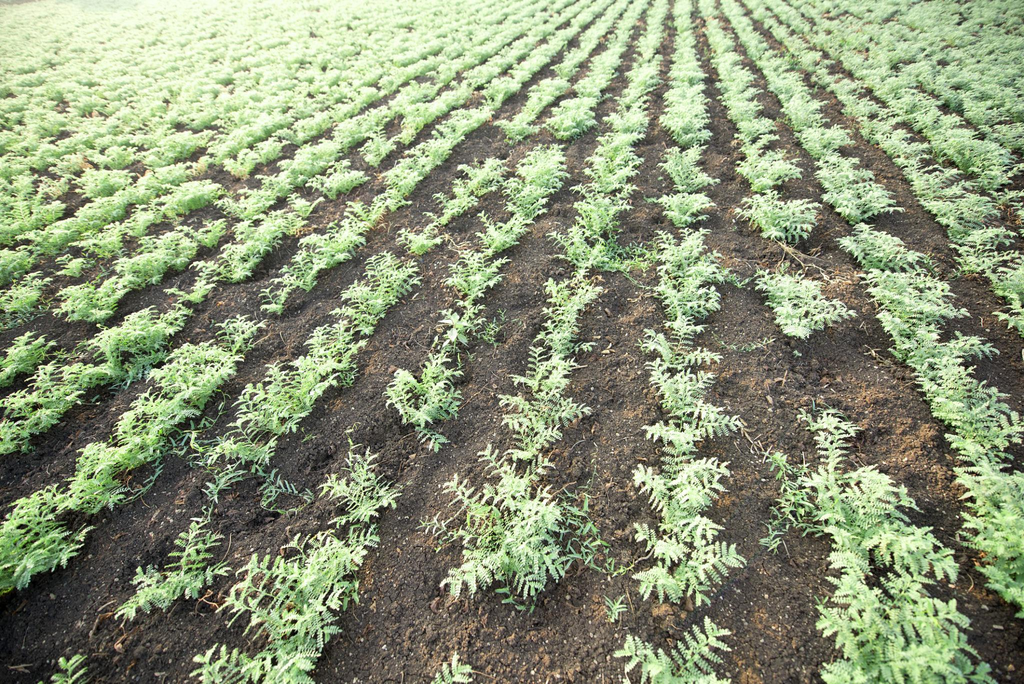
1. 🌤️ Suitable Climate for Chickpea Crops
- Temperature: Mildly warm weather is generally suitable for good germination, while cool and relatively dry weather is favorable for crop growth.
- Rainfall: Excessive rainfall and prolonged humid conditions can damage chickpea crops.
- Sunlight: Adequate sunlight is beneficial for healthy crop growth.
- Flowering and Pod-Filling Stages: During these stages, monitor the crop carefully to protect it from excessive heat and water stress.
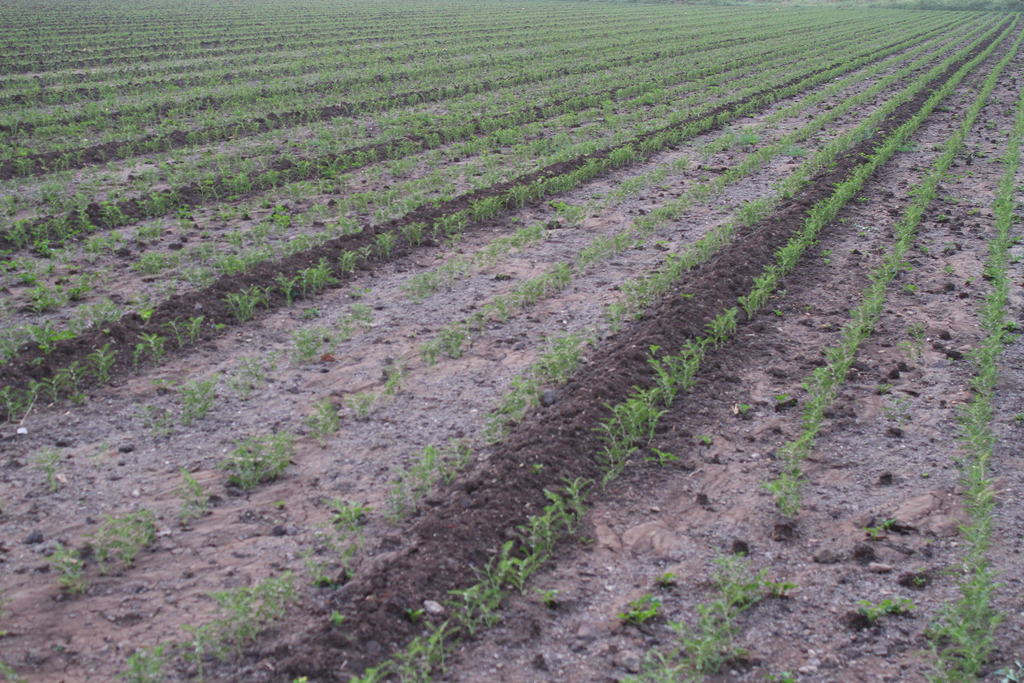
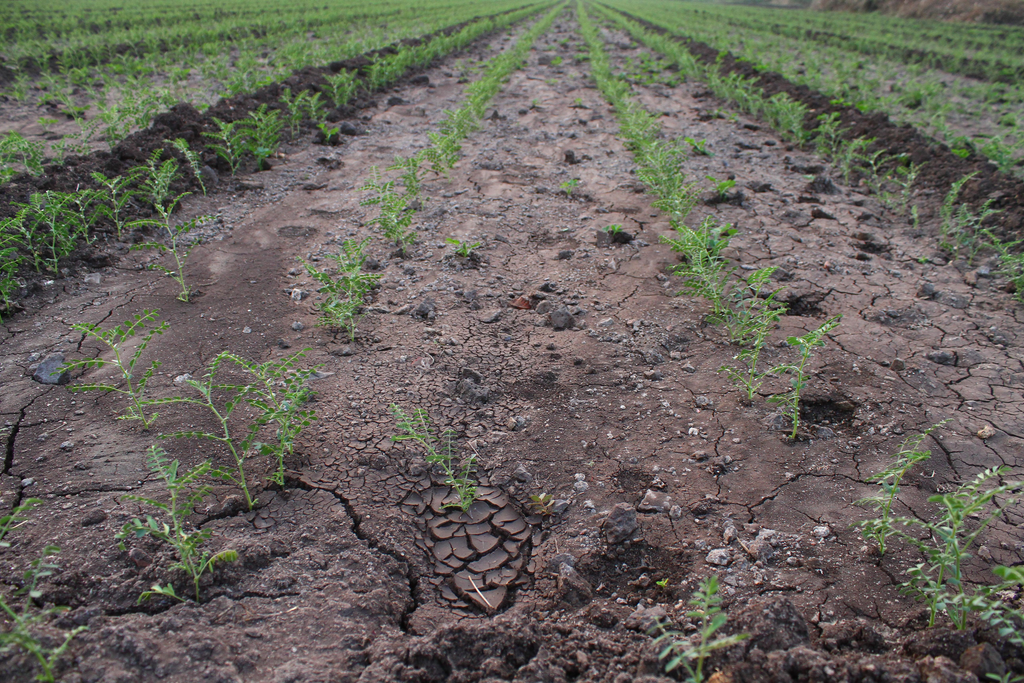
2. 📅 Suitable Sowing Time for Chickpea
In Gujarat, chickpea is generally sown from late October to November. However, the appropriate sowing time may vary depending on the region, soil moisture, weather conditions, and chickpea variety.
- Check the local weather forecast before sowing.
- Sow when sufficient moisture is available in the soil.
- Instead of sowing too early or too late, follow the recommendations of the local agricultural university or agricultural experts.
3. 🌾 Soil and Sowing Management
- Well-drained loamy to medium black soil can be suitable for chickpea cultivation.
- Avoid conditions that cause waterlogging in the field.
- Prepare the soil properly and sow in a way that helps retain soil moisture.
- Maintain the seed rate, sowing depth, and spacing between rows according to the recommendations for the selected variety.
- Before sowing, seek expert advice on seed quality and necessary seed treatment to protect against seed-borne diseases.
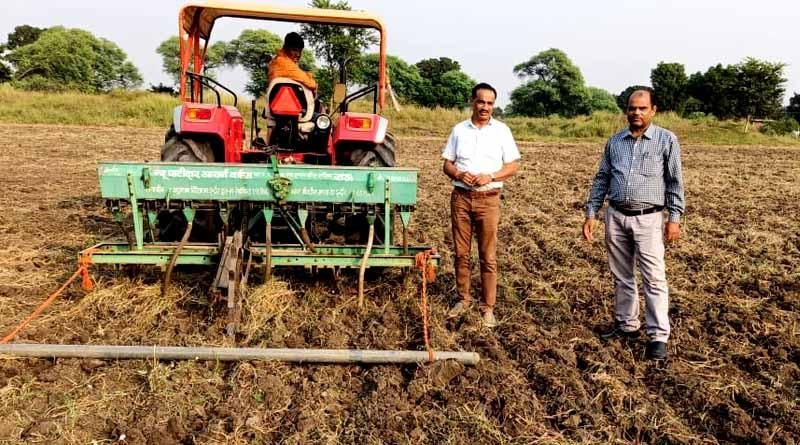
4. 💧 Irrigation and Moisture Management
Chickpea can be cultivated with relatively less water, but it is essential to maintain adequate soil moisture according to the crop’s requirements.
- Ensure sufficient soil moisture at the time of sowing.
- Make proper arrangements to prevent excessive water accumulation in the field.
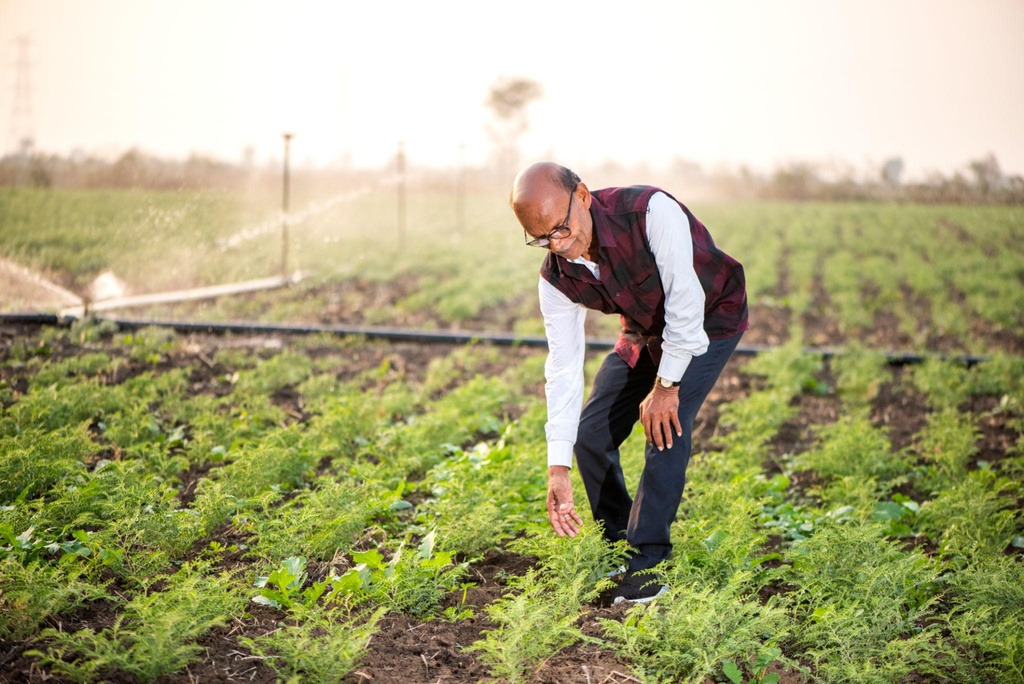
- Plan irrigation according to soil conditions and crop requirements.
- Pay special attention to preventing moisture stress during the flowering and pod-filling stages.
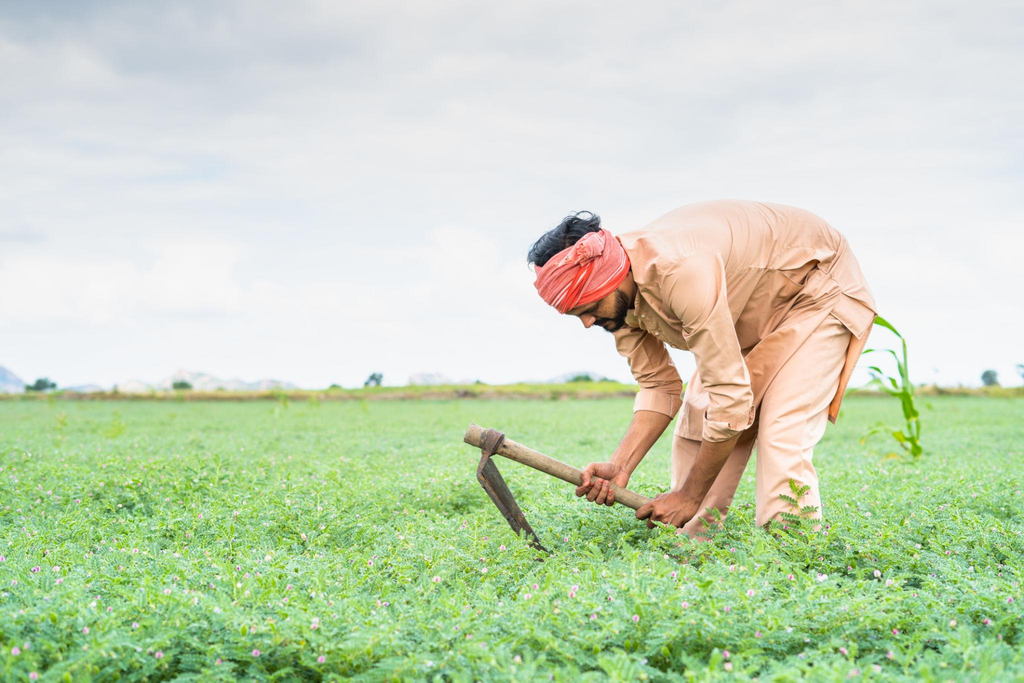
5. 🌿 Fertilizer and Nutrient Management
- Conduct a soil test before sowing.
- Apply fertilizers according to soil test results and crop recommendations.
- Since chickpea is a leguminous crop, avoid excessive use of nitrogen fertilizers.
- Apply phosphorus, sulfur, and other nutrients according to the soil’s requirements.
✅ Special Advice for Farmers
For a good start to chickpea cultivation, pay special attention to these five key factors: Proper sowing time + Quality seeds + Adequate soil moisture + Balanced nutrition + Timely crop monitoring.
Atur Agri Limited Quality Seeds • Scientific Agricultural Guidance • Farmers’ Welfare
📞 For more information and booking of chickpea seeds, contact: 9998756798