


Pigeon pea is an important pulse crop that can provide good yields. By selecting suitable soil, sowing at the right time, maintaining proper spacing, and taking proper care from the early growth stage, farmers can achieve a healthy crop and better production.
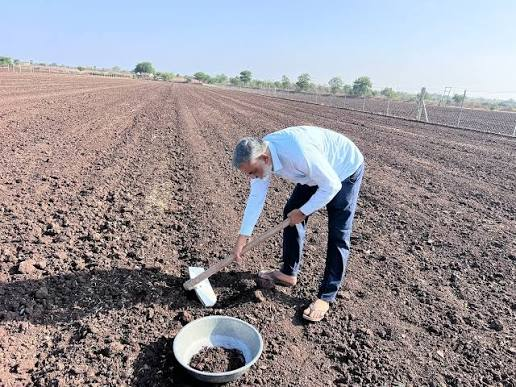
🌾 1. Soil Selection
- Well-drained medium to heavy soils are suitable for pigeon pea cultivation.
- Avoid fields where water tends to stagnate.
- While preparing the land, consider soil moisture and fertility.
🌱 2. Sowing Time
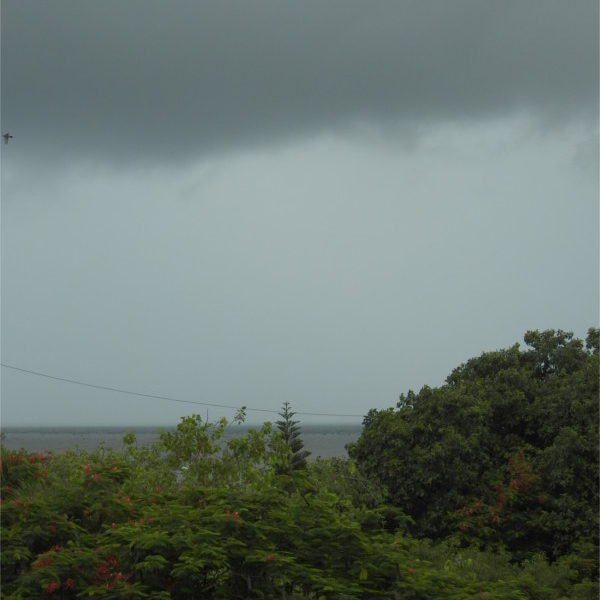
- Pigeon pea should generally be sown at the beginning of the monsoon, after sufficient soil moisture is available.
- The exact sowing time should be decided based on the variety and local rainfall conditions.
📏 3. Sowing Spacing
- For early-maturing varieties, a spacing of approximately 45–60 cm between rows and 10–15 cm between plants can be maintained.
- For medium- and late-maturing varieties, generally 60–75 cm between rows and 15–20 cm between plants can be maintained.
- Give priority to the recommendations provided by the seed company or agricultural experts for your specific variety.
💧 4. Water Management and Drainage
- Pigeon pea is sensitive to waterlogging and cannot tolerate standing water.
- If water accumulates in the field after heavy rainfall, ensure immediate drainage.
- If there is a prolonged dry spell and the soil lacks sufficient moisture, provide irrigation according to the crop condition and moisture level.
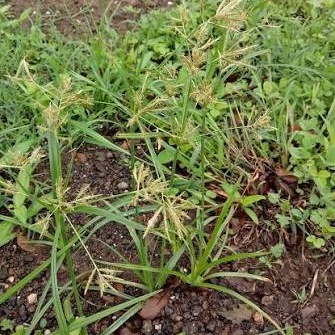
🌿 5. Weed Management
- The first 30–45 days are critical for the pigeon pea crop.
- Carry out intercultural operations or hand weeding as needed to keep the field free from weeds.
- If herbicides are to be used, apply them according to the crop stage and local agricultural recommendations.
🐛 6. Pest and Disease Monitoring
Monitor the pigeon pea crop for pests such as pod borer, pod fly, and sucking pests. Also, keep an eye out for symptoms of diseases such as wilt and sterility mosaic disease (SMD) and take timely action from the early stage.
🧑🌾 7. Regular Field Monitoring
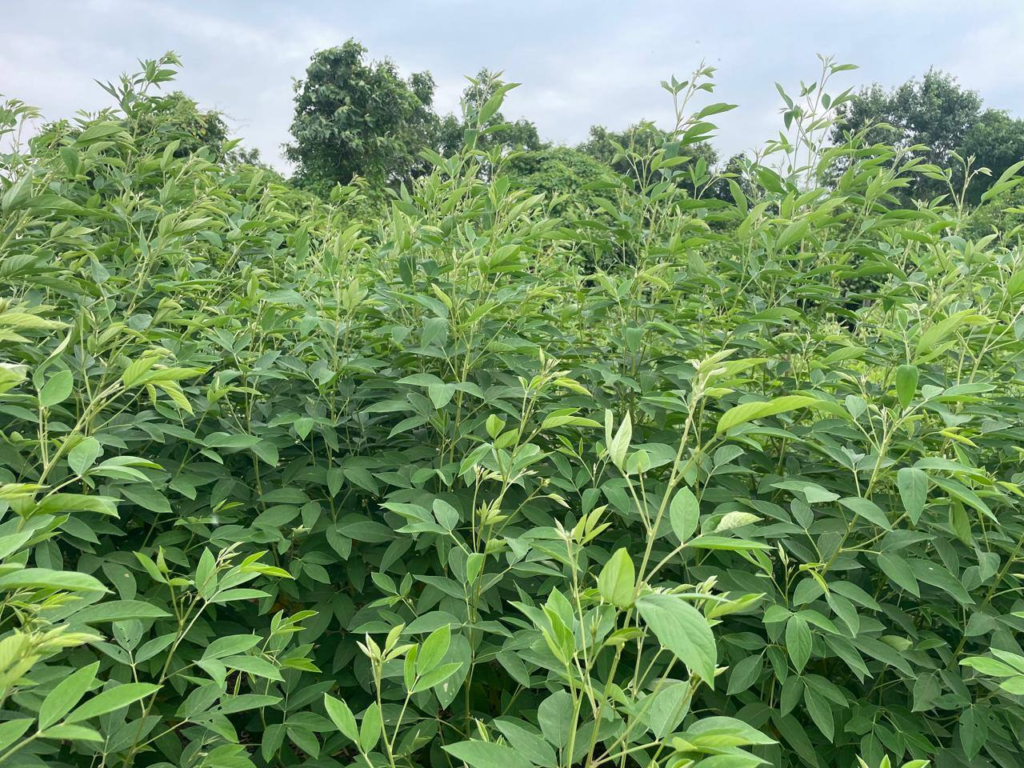
Visit the field at least once a week and monitor:
- Leaf color and crop growth
- Presence of pests
- Symptoms of diseases
- Soil moisture
- Waterlogging conditions Check and monitor regularly.
⚠️ Important: Instead of deciding on a pesticide solely based on symptoms, properly identify the disease or pest first and use pesticides strictly according to the product label and local agricultural recommendations.
🌾 Atur Agri — One Step Towards Better Yields with Quality Seeds and Farmer Guidance.
CONTACTS = 99987 56798 / www.aturagri.com